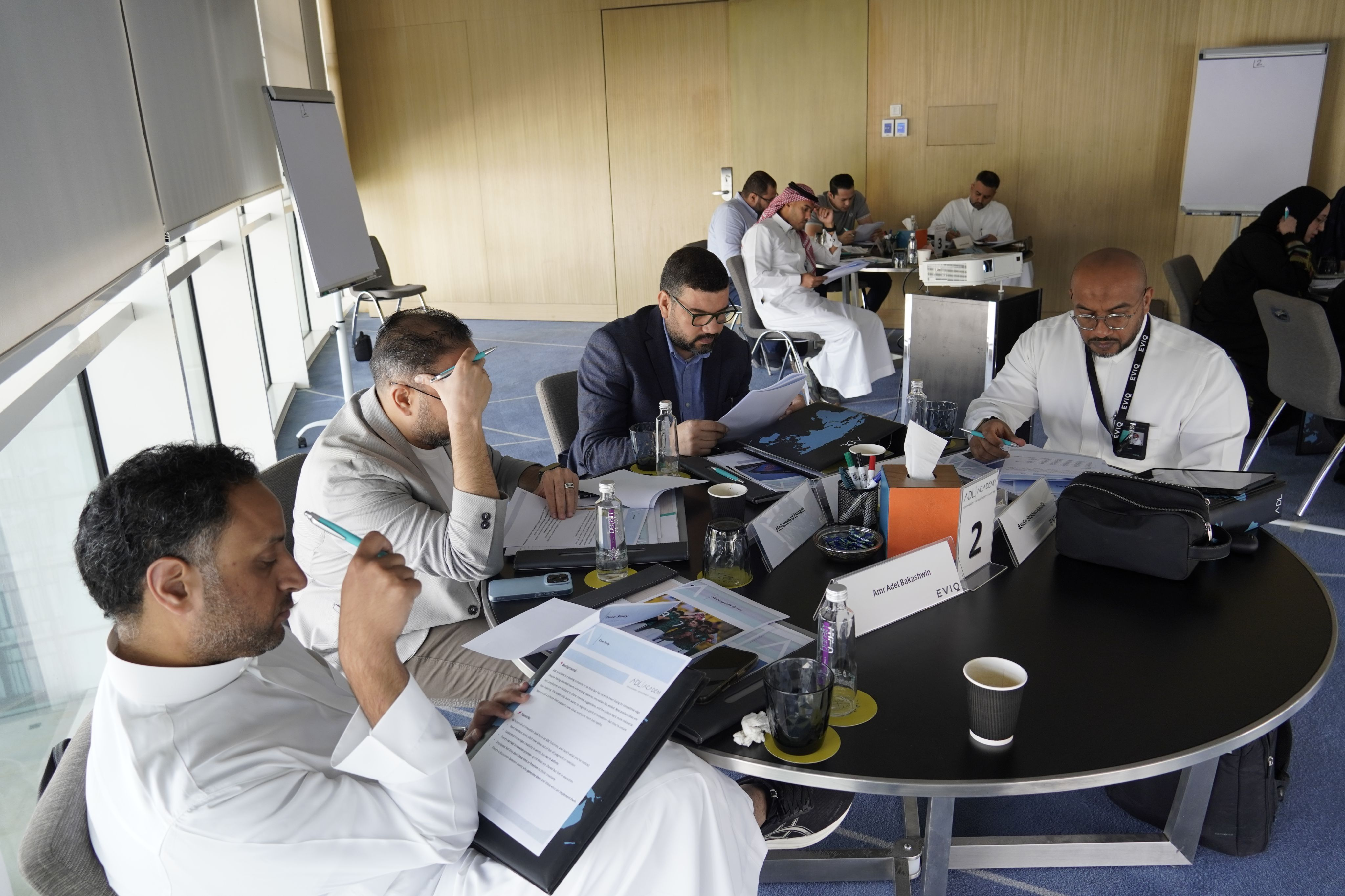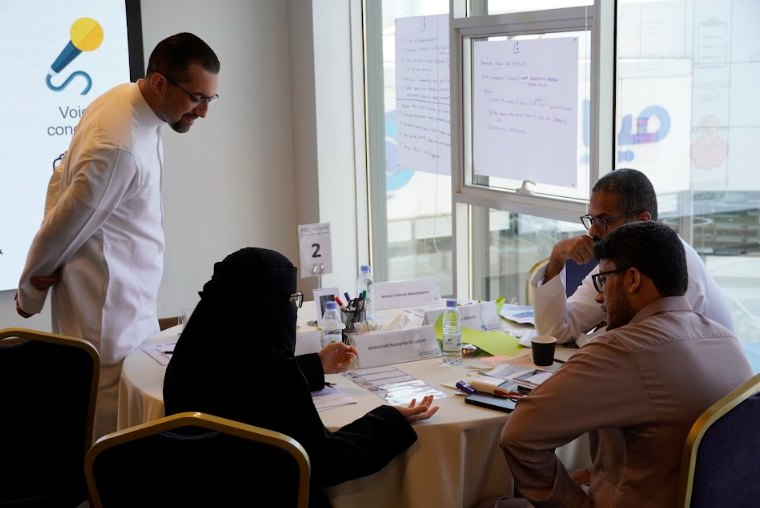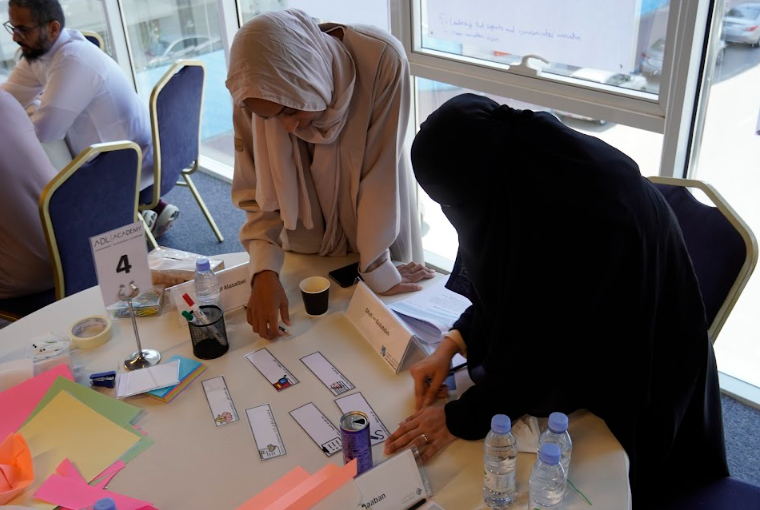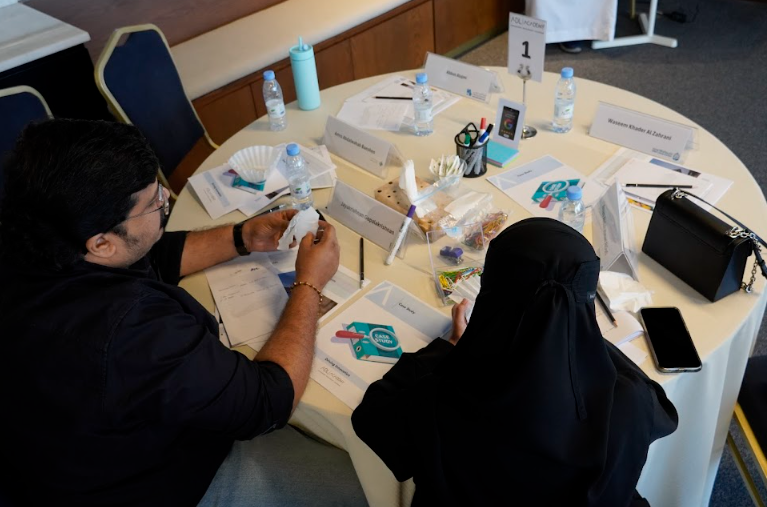
Modern organizations operate in an environment defined by rapid technological change, digital transformation, and evolving job roles. As automation, artificial intelligence, and advanced technologies reshape industries, employees must continually upgrade their skills to remain effective. For senior leadership teams, training and development has therefore become a strategic business priority rather than a routine HR function.
Organizations that invest in structured learning strengthen performance, innovation, and talent retention. More importantly, developing workforce capability enables businesses to respond quickly to market shifts and maintain competitiveness. As a result, learning strategy is increasingly treated as a board-level priority for organizations seeking sustainable long-term growth.

Quick Tip:
Align training and development with strategic business goals rather than offering generic programs. Focus learning on capabilities that improve productivity, leadership readiness, and future growth. This ensures training investments deliver measurable organizational performance.
Key Takeaways for Organizational Growth
- Training and development is now a strategic priority for organizations adapting to rapid technological and market changes.
- Continuous learning helps close skill gaps, enabling employees to stay productive and competitive.
- Development opportunities improve engagement and retention, as employees feel valued and supported in their growth.
- Leadership programs strengthen succession planning by building internal leadership pipelines.
- Learning cultures drive innovation and operational performance, helping organizations adapt and grow.
- Aligning training with business strategy improves ROI, ensuring learning initiatives deliver measurable results.
Closing Skill Gaps in a Rapidly Changing Workplace
Automation, artificial intelligence, and digital transformation are reshaping workforce capabilities across industries. New technologies require new competencies, while traditional skill sets often become outdated faster than before. Without continuous learning, organizations risk slowing their growth because employees may lack the skills needed to adapt to changing operational demands.
Skill gaps can reduce productivity, limit innovation, and weaken competitiveness. Structured initiatives such as corporate leadership training help organizations address these challenges. Through well-designed programs, employees and managers develop the capabilities required to operate effectively in modern business environments.
Organizations that invest consistently in workforce learning maintain a significant competitive advantage. Their employees adopt new technologies faster, improve operational performance, and adapt more confidently to market change.

Improving Employee Engagement and Motivation
Employee engagement is closely linked to opportunities for professional growth. When employees receive training programs and development support, they recognize that the organization is investing in their future. This recognition increases their sense of value, strengthens motivation, and encourages greater commitment to their work and the organization.
Learning opportunities also encourage employees to strengthen their expertise and contribute more actively to team performance. As a result, engagement increases across departments. Continuous learning environments also encourage collaboration and knowledge sharing. Employees develop stronger problem-solving abilities and contribute innovative ideas that support organizational goals.
Organizations offering structured training programs often experience measurable benefits:
- Higher employee motivation
- Improved productivity
- Lower turnover rates
- Stronger team collaboration
These outcomes demonstrate how well-designed learning initiatives contribute to stronger and more engaged teams. Organizations looking to implement structured leadership development can explore approaches such as corporate training programs in Saudi Arabia that align workforce capability with business strategy.
Attracting and Retaining High-Quality Talent
Attracting skilled professionals has become increasingly competitive. Many employees now evaluate employers based on career development opportunities rather than salary alone. Organizations offering leadership development courses and clear career pathways often attract ambitious professionals seeking long-term growth.
Structured development programs demonstrate that the organization prioritizes employee potential and leadership development. These initiatives also reduce recruitment costs by strengthening internal promotion pathways. Instead of relying heavily on external hiring, companies can develop talent internally and prepare employees for future leadership roles.
Strong development frameworks also strengthen succession planning. Employees participating in leadership programs gradually build the competencies required to guide teams and manage organizational challenges. Insights into leadership capability expectations can be explored in the article on top leadership skills every Saudi manager needs in 2026, which highlights how leadership capability continues to evolve across Saudi organizations.
Strengthening Organizational Culture and Leadership Values
Organizational culture is largely shaped by leadership behaviors. When leaders demonstrate clear values and consistent decision-making, employees gain confidence in the organization’s direction. Training programs help reinforce shared leadership standards across departments. As employees participate in development initiatives, they align more closely with organizational strategy and cultural values.
Programs such as leadership coaching training help leaders refine interpersonal communication, emotional intelligence, and decision-making skills. These capabilities allow leaders to guide teams more effectively and support positive workplace environments.
Similarly, structured leadership training courses help leaders model behaviors aligned with organizational goals. When leaders consistently demonstrate these behaviors, strong cultural alignment spreads throughout the organization.
Driving Innovation and Business Growth
Innovation thrives in organizations where employees continuously expand their knowledge and skills. Learning cultures encourage experimentation, collaboration, and strategic thinking. Employees participating in leadership and development training often develop stronger analytical and problem-solving capabilities. As a result, they identify opportunities for operational improvements and innovation more quickly.
The business impact of learning-focused organizations often includes:
- Faster innovation cycles
- Improved operational efficiency
- Enhanced customer experience
- Stronger competitive positioning
Over time, companies that prioritize training and development tend to outperform competitors. Their workforce remains agile, adaptable, and capable of responding to complex business challenges.
Aligning Training with Strategic Business Goals
For learning programs to generate meaningful business impact, they must align directly with organizational strategy. Training should support leadership capability development, digital transformation initiatives, and operational excellence goals.
International frameworks such as CIPD professional development models provide structured approaches for building workforce capability. These frameworks help organizations design leadership programs aligned with global best practices.
Programs that integrate corporate leadership training and strategic capability development strengthen organizational scalability and succession planning. This alignment ensures learning initiatives directly support business performance rather than functioning as isolated HR activities.
Measuring the ROI of Training and Development
Senior executives increasingly expect measurable outcomes from workforce development initiatives. As a result, organizations track learning effectiveness using performance metrics and HR analytics.
Common indicators used to evaluate training and development impact include:
- Productivity improvements
- Leadership readiness metrics
- Employee retention rates
- Operational performance KPIs
Organizations also use HR analytics tools to measure the effectiveness of training programs delivered to employees, allowing leaders to track capability development across departments. Leadership performance assessments often evaluate the outcomes of leadership coaching training.
They measure improvements in management effectiveness, team productivity, and decision-making.Data-driven evaluation ensures organizations continuously refine learning programs and maximize return on investment.
The Future of Workplace Learning
Corporate learning continues to evolve as technology transforms how employees acquire knowledge and develop skills.
Several trends are shaping the future of professional development:
- AI-driven learning platforms
- Microlearning modules for flexible knowledge delivery
- Blended learning combining digital and instructor-led training
- Cohort-based leadership programs that encourage peer learning
Modern leadership development courses increasingly integrate these approaches to accelerate capability development and leadership readiness. These advancements also align with Saudi Arabia’s Vision 2030 transformation agenda.
As the Kingdom expands knowledge-based industries, organizations must strengthen workforce capability and leadership readiness to remain competitive. Consequently, advanced leadership and development training initiatives will play an increasingly critical role in preparing leaders for the future economy.
Conclusion: Build Leaders for Growth
In today’s competitive economy, organizations cannot rely solely on traditional management practices to sustain growth. Strategic training and development plays a critical role in building leadership pipelines, strengthening workforce capability, and supporting long-term performance.
Organizations that invest in structured learning often see higher productivity, stronger employee retention, and greater innovation. More importantly, developing leadership capability helps organizations remain resilient in rapidly evolving markets. For executives focused on sustainable growth, corporate learning should be treated as a strategic investment rather than an operational expense.
If your organization is ready to evaluate leadership capability gaps, design structured learning frameworks, and strengthen workforce performance, consider beginning a strategic conversation with ADL Academy. You can also request a tailored proposal through the Contact Us page to explore how executive-level learning programs can support your organization’s future growth.
FAQs
Training and development strengthens workforce capability and improves productivity. It also helps organizations adapt to technological change and remain competitive in rapidly evolving markets.
Corporate leadership training strengthens decision-making, communication, and strategic thinking. These capabilities help leaders guide teams effectively and achieve stronger organizational results.
Organizations often see improved productivity, stronger retention, and higher operational efficiency. Data-driven training initiatives also improve leadership readiness and overall business performance.
Leadership development courses prepare employees for future leadership roles. They create a strong internal talent pipeline that allows organizations to promote capable leaders internally.
HR training for employees demonstrates that organizations invest in professional growth. Employees who receive learning opportunities are more likely to remain loyal and engaged.
Leadership training courses strengthen leadership capability, strategic thinking, and communication skills. These competencies enable leaders to guide teams effectively and support organizational growth.