
Workplaces today are more complex than ever. Hybrid teams, cross-functional collaboration, and fast-paced decision-making have increased both opportunity and friction. When conflict is unmanaged, it slows progress, weakens trust, and impacts overall performance.
Conflict management training has become a critical capability for modern organizations. It equips teams with the tools to handle disagreements constructively, improving communication, collaboration, and productivity. Rather than avoiding conflict, organizations that manage it effectively turn it into a driver of performance, stronger culture, and long-term business success.

Quick Tip:
Train your teams to handle conflict constructively so disagreements become opportunities for collaboration and trust-building. This reduces time lost to disputes, lowers turnover, and improves productivity by creating a psychologically safe work environment.
Key Takeaways: Turning Conflict Into Performance Power
- Conflict is not the problem, poor management is when handled well, it improves collaboration and team performance
- Practical, skill-based training builds real capabilities like active listening, emotional control, and problem-solving
- Strong conflict management reduces stress, turnover, and operational disruption while improving morale
- Leadership involvement is critical to embed a culture of open communication and trust
- Ongoing coaching and real-world application ensure long-term impact, not just short-term learning
- Organizations that invest in structured conflict training build more resilient, high-performing teams and gain a competitive edge
What Is Conflict Resolution Training and Why It Matters
Conflict management training improves team performance by strengthening communication, reducing misunderstandings, and enabling teams to resolve issues constructively. It builds skills like active listening, emotional control, and problem-solving, helping teams collaborate more effectively and maintain productivity.
Conflict resolution training is a structured approach that teaches individuals to identify, manage, and resolve disagreements professionally. It develops practical skills such as empathy, negotiation, and awareness of conflict triggers, allowing teams to respond effectively in real situations.
While resolving issues is important, long-term performance depends on proactive conflict management. By addressing problems early and improving communication, organizations create stronger collaboration, higher morale, and more consistent business outcomes.
The Real Causes of Workplace Conflict
Workplace conflict rarely stems from a single issue. It is usually driven by a combination of communication breakdowns, unclear roles, and misaligned expectations. When information is vague or not shared properly, teams rely on assumptions, which leads to misunderstandings and frustration. Overlapping responsibilities and conflicting goals further increase tension, especially when accountability is not clearly defined.
At the same time, personality differences, cultural gaps, and competition for limited resources create additional friction. Leadership gaps often make things worse when issues are ignored or handled inconsistently. Emotional factors such as stress, bias, and ego can quickly escalate situations. When these conflicts remain unresolved, they reduce productivity, damage morale, and increase turnover, making proactive conflict management essential for maintaining team performance.
Core Skills Taught in Conflict Resolution Training
Effective training develops practical leadership skills that leaders and teams can apply immediately, turning conflict into a driver of collaboration and performance rather than disruption.
Active Listening and Purposeful Communication
Strong communication starts with listening to understand, not just to respond. Employees learn to interpret intent, ask the right questions, and use clear, respectful language to express concerns. This reduces misunderstandings and builds trust across teams.
Emotional Intelligence and Response Control
Leaders develop the ability to manage their emotions under pressure and respond calmly in difficult situations. By strengthening self-awareness and empathy, they can handle tension more effectively and maintain productive conversations.
Root Cause Analysis and Problem-Solving
Instead of reacting to surface-level issues, teams learn to identify the real causes of conflict. Structured problem-solving techniques help them address underlying concerns and create solutions that work for all parties involved.
Negotiation and Mediation Techniques
Employees are trained to navigate disagreements through balanced negotiation and facilitation. Conflict management mediation skills enable individuals to guide discussions, remain neutral, and reach mutually beneficial outcomes.
Conflict Prevention and De-escalation Skills
Training also focuses on preventing conflict before it escalates. Teams learn to set clear expectations, manage boundaries, and de-escalate tense situations early, ensuring a more stable and collaborative work environment.
How Conflict Resolution Training Improves Team Performance
When conflict is managed proactively, teams perform more effectively and consistently. It creates a safe, collaborative environment where employees can communicate openly, share ideas, and address issues without fear. This strengthens trust, improves alignment, and reduces misunderstandings, leading to faster decision-making and smoother execution.
At the same time, conflict resolution training improves emotional intelligence, active listening, and constructive communication. Teams shift from reacting to resolving, which reduces stress, increases morale, and prevents disruptions. As a result, employees focus more on problem-solving and innovation, driving higher productivity, stronger collaboration, and better overall project outcomes.
Why Companies Invest in Conflict Training
Organizations invest in conflict management training for managers because the impact is both measurable and strategic. Effective conflict management reduces employee turnover, absenteeism, and workplace friction, while improving productivity as teams spend less time dealing with tension and more time delivering results. At the same time, it lowers HR and legal risks by addressing issues early before they escalate into formal disputes or complaints.
Beyond risk reduction, a structured conflict resolution training program strengthens collaboration, decision-making, and leadership effectiveness. Employees develop skills such as emotional intelligence, active listening, and negotiation, which improve team cohesion and communication. This not only boosts morale but also creates a culture of trust and transparency, helping organizations attract and retain top talent while building high-performing, resilient teams.
Conflict Resolution Training for Different Roles
Conflict management requires different approaches at each level of an organization, and effective training reflects these role-based needs.
- Employees develop everyday communication tools such as active listening and clear expression, helping reduce misunderstandings and improve collaboration.
- Managers learn to handle team disputes, mediate fairly, and maintain alignment through conflict management training for managers, ensuring performance is not disrupted.
- HR leaders focus on structured frameworks and conflict management mediation, managing complex cases while ensuring consistency and compliance.
- Remote teams are trained to navigate digital communication challenges, reducing misinterpretation and maintaining strong collaboration in virtual environments.
What Makes Conflict Resolution Training Actually Effective
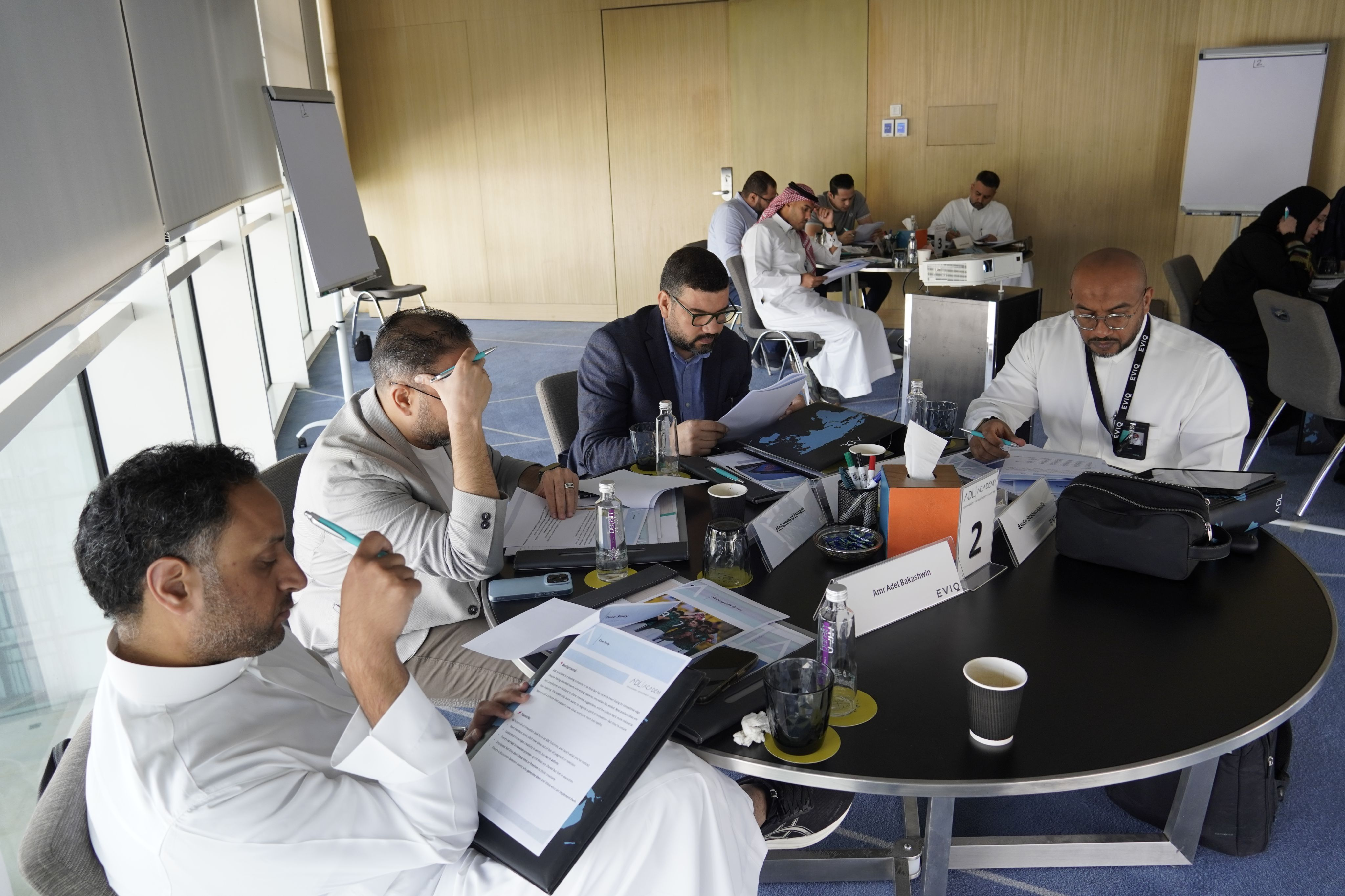
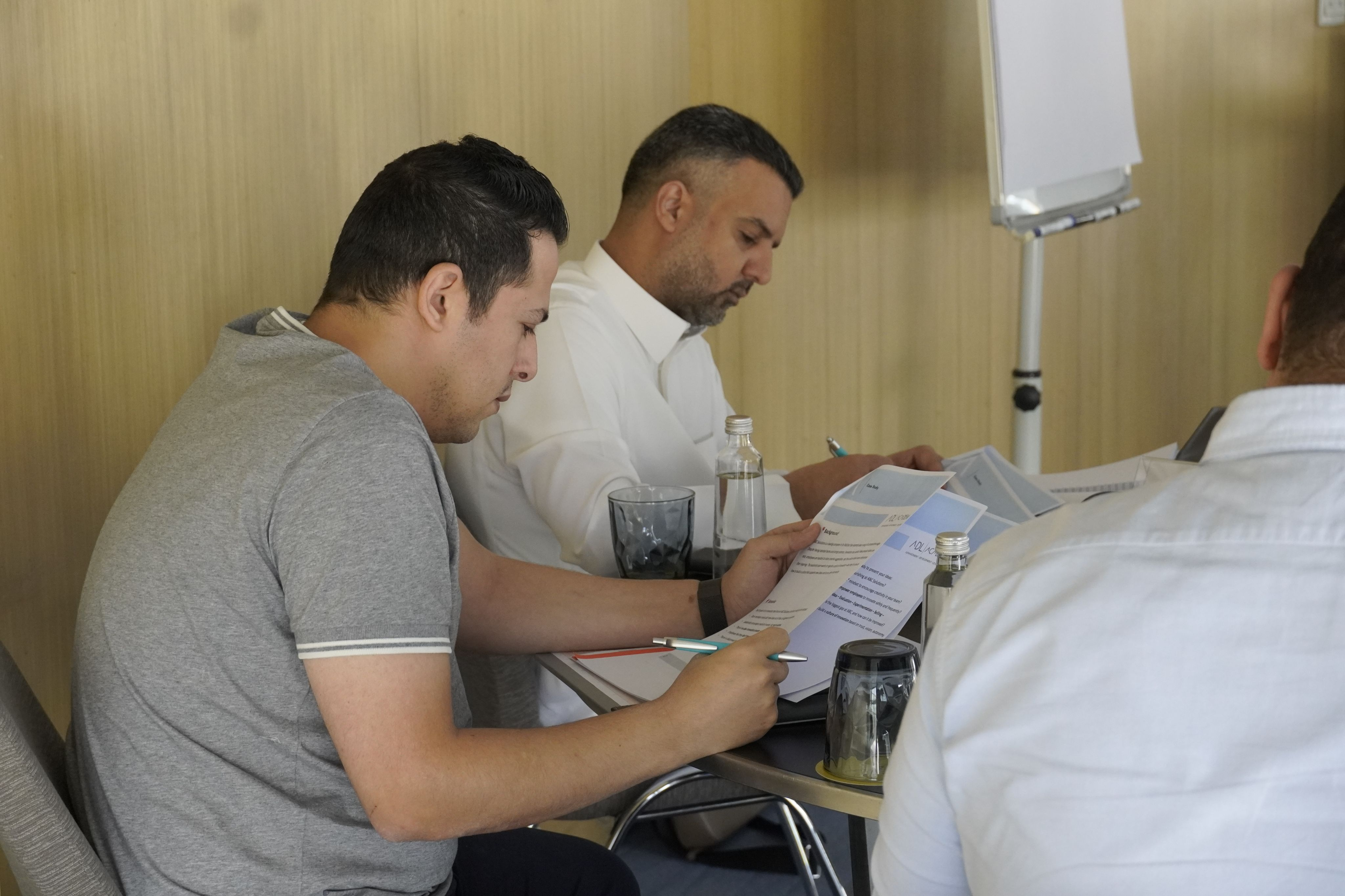
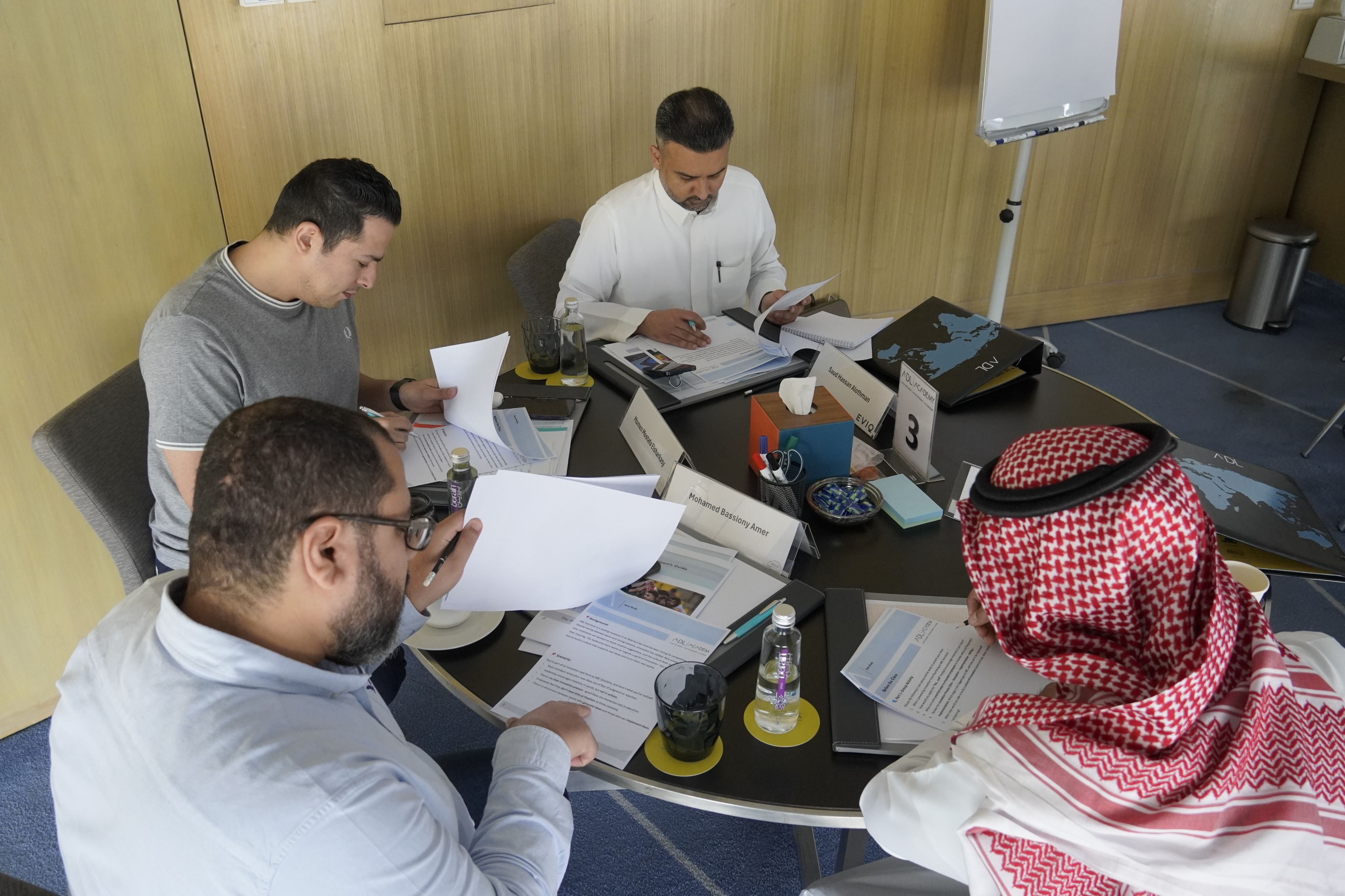
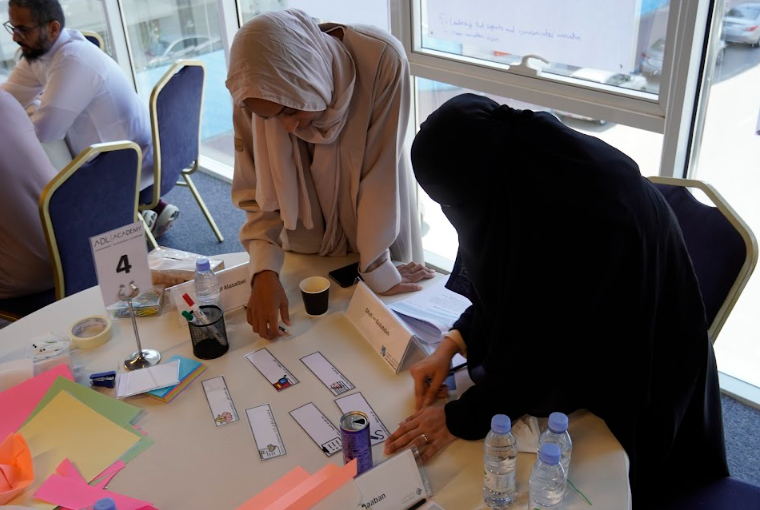
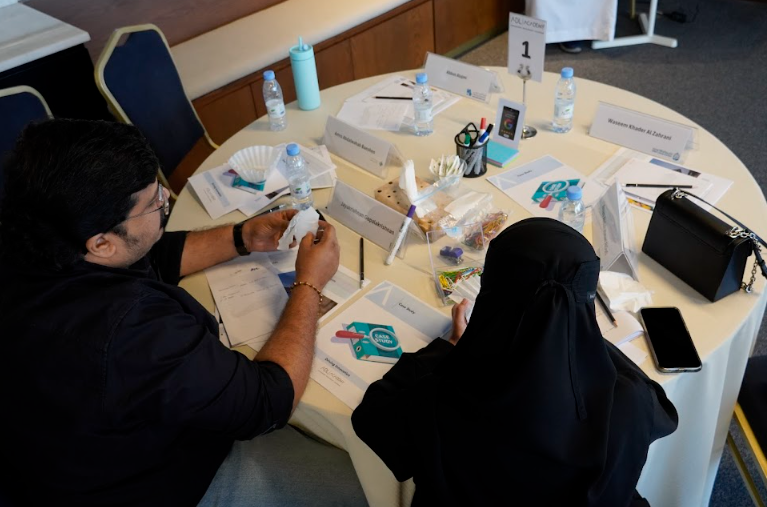
Effective conflict management training is defined by how well participants apply what they learn in real workplace situations. Programs that focus only on theory often fail to create lasting behavioral change.
The most impactful training approaches prioritize practical application. Techniques such as:
- role play
- real case studies
- scenario-based simulations
help individuals build confidence in handling conflict as it occurs, rather than relying on abstract concepts.
These approaches allow participants to practice communication under pressure, develop emotional awareness, and improve decision-making in real-time situations. Organizations that implement structured, application-focused conflict management training often see measurable improvements in team communication, reduced workplace tension, and more effective collaboration.
Structured training programs often integrate these elements within broader leadership development frameworks. When conflict resolution is linked to core competencies such as communication, emotional intelligence, and leadership judgment, the learning becomes more relevant and measurable.
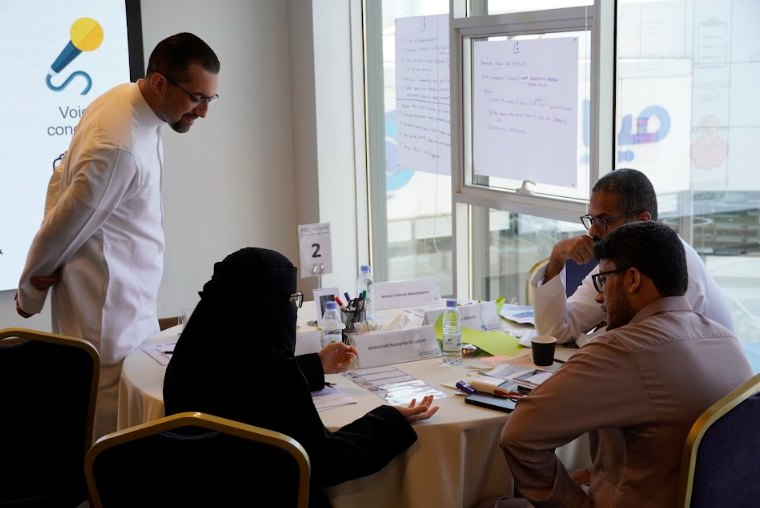
Effective programs also create a safe and practical learning environment where participants can openly discuss challenges, test different approaches, and refine their communication skills without fear of judgment.
For organizations, effectiveness depends on how well the training aligns with team dynamics and real business challenges. Programs that reflect actual workplace scenarios are more likely to produce long-term improvements in team performance.
To ensure lasting impact, high-quality conflict management training programs include:
- Ongoing support and coaching to reinforce learning
- Customization based on specific business needs
- Leadership involvement to embed conflict management into workplace culture
Organizations looking to strengthen team performance and build long-term leadership capability can benefit from structured conflict management training programs designed to align with real workplace demands and organizational goals.
A well-designed conflict management training program brings these elements together to improve communication, strengthen collaboration, and deliver measurable performance outcomes.
How to Implement Conflict Resolution Training in Your Organization
Start by identifying recurring conflict patterns, communication gaps, and team dynamics that impact performance. Choose a training format that fits your organization, and ensure leadership is actively involved, as their support drives adoption and cultural change.
Measure outcomes using KPIs such as engagement, productivity, and retention, then reinforce learning through coaching and real-world application. This ensures conflict management becomes a long-term capability, not a one-time initiative. Organizations can explore tailored solutions through structured programs like corporate training in Saudi Arabia.
Conclusion: Turning Conflict Into Competitive Advantage
Workplace conflict, when managed effectively, becomes a driver of performance, not disruption. Organizations that invest in conflict management training build stronger communication, better collaboration, and more resilient teams that deliver consistent results.
Now is the time to act. Identify where conflict is impacting your teams, close those gaps with structured training, and create a culture that turns challenges into growth. Partner with ADL Academy to explore tailored solutions or request a proposal and start building high-performing teams that move your business forward.
FAQs
Conflict resolution focuses on solving issues after they arise, while conflict management builds ongoing skills to prevent and handle conflicts proactively.
A workplace conflict training program improves retention, reduces workplace tension, enhances productivity, and strengthens leadership effectiveness.
Workplace conflict training for managers equips leaders to resolve disputes, maintain team alignment, and create a positive work environment.
A conflict resolution class teaches individuals how to address disputes effectively, focusing on communication, negotiation, and mediation techniques.
Conflict management improves employee well-being by reducing stress and anxiety. When conflicts are handled constructively, employees feel heard, respected, and more confident, which increases engagement and strengthens workplace relationships.
Modern organizations are shifting from avoiding conflict to using it as a driver of growth. With strong communication and conflict management capabilities, teams can turn constructive disagreements into better decisions, innovation, and improved performance.