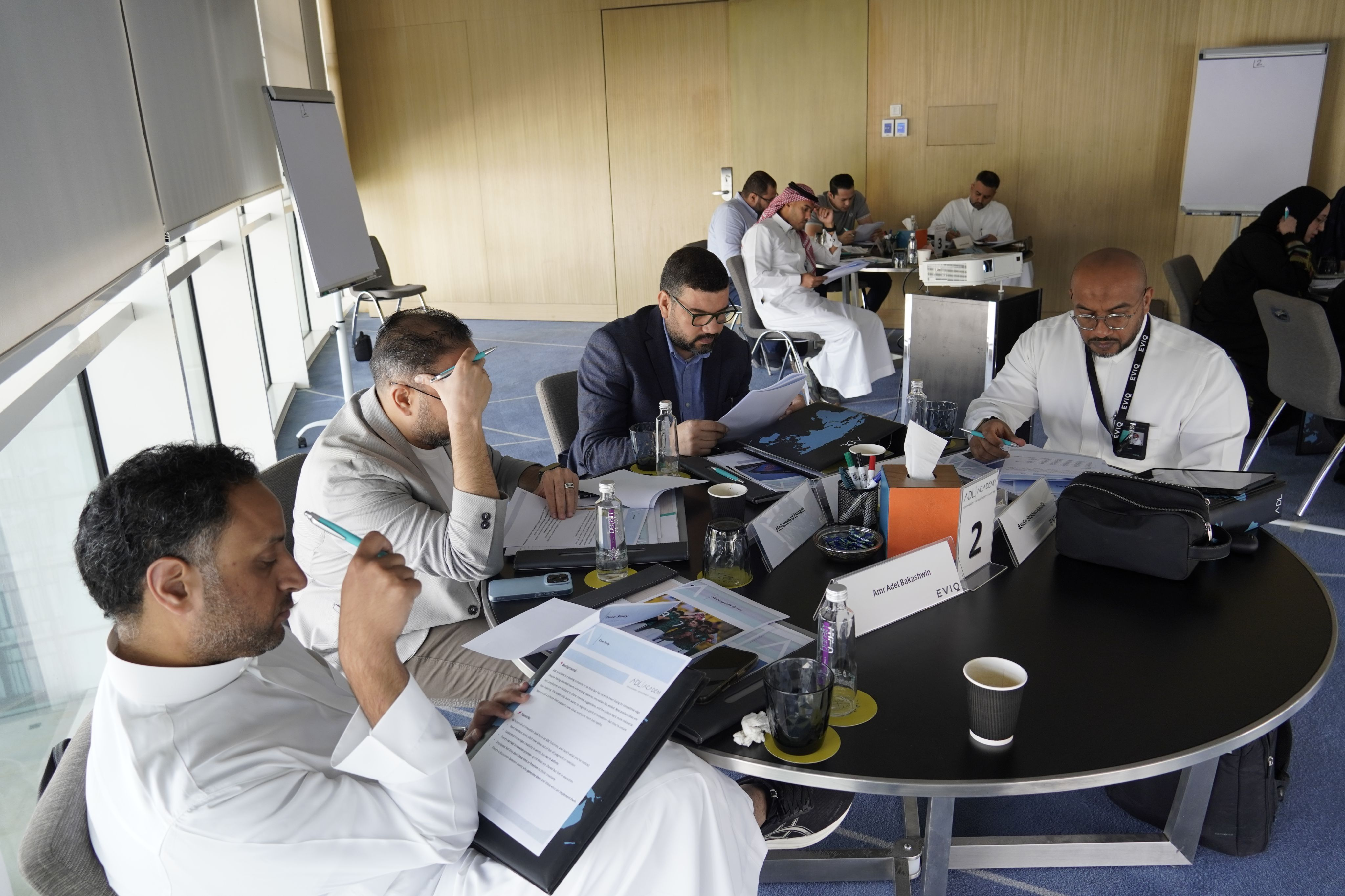

Workplaces are living ecosystems where talent, engagement, and efficiency thrive or falter based on the skills employees bring to the table. Employee training is the catalyst that transforms potential into performance, equipping teams to make smart decisions, collaborate seamlessly, and innovate confidently.
In Saudi Arabia, as companies align with Vision 2030 and workforce localization goals, investing in employee development has become a strategic driver of business success, strengthening individual performance while building resilient, future-ready teams capable of meeting evolving organizational demands.
Key Facts: How Training Drives Performance
- Employee training improves productivity by strengthening skills, confidence, and decision-making.
- Continuous learning boosts wellbeing by reducing stress and increasing job satisfaction.
- Development opportunities enhance engagement, morale, and employee retention.
- Learning-focused cultures foster innovation, adaptability, and future leadership readiness.
- Effective training aligns workforce capabilities with business goals and performance outcomes.
- In Saudi Arabia, training supports Vision 2030 by building resilient, future-ready teams.

Quick Tip:
Invest in employee training to boost performance, reduce burnout, and retain talent. Upskilling staff creates a cycle of engagement and efficiency that strengthens both employees and organizational success.
The Link Between Employee Training and Productivity
Employee Training drives engagement, wellbeing, and organizational performance. Properly structured programs equip employees to perform tasks efficiently, make informed decisions, and collaborate effectively. In Saudi Arabia, Vision 2030 emphasizes workforce localization, making training a strategic lever to build confident, capable, and adaptable teams.
Strategic Value of Training
Investing in structured learning programs strengthens retention, develops talent pipelines, and prepares future leaders. Organizations that prioritize employee development reinforce long-term competitiveness, enhance workforce adaptability, and ensure teams are ready to meet evolving operational demands. Ignoring training risks skill gaps, decreased engagement, and reduced organizational performance, leaving companies vulnerable to market shifts and workforce challenges.
Skill Development and Confidence
Training simultaneously develops technical competence and self-assurance. Employees who understand their roles and possess the necessary skills make fewer mistakes, require less supervision, and maintain consistent workflow efficiency. This reduces operational risks while promoting a culture of accountability and ownership, allowing teams to perform at peak levels.
Engagement Through Support
Ongoing development signals that the organization values its people, fostering higher engagement, accountability, and motivation. Teams supported by continuous learning deliver higher-quality outputs, maintain focus under pressure, and empower leaders to concentrate on strategic initiatives rather than constant problem-solving.
Wellbeing and Productivity
Corporate training enhances employee wellbeing by reducing stress, preventing burnout, and reinforcing a sense of mastery. Healthier, more skilled employees collaborate more effectively, sustain performance under pressure, and contribute to a positive workplace culture. This demonstrates the direct link between workforce wellbeing and measurable business outcomes.
Tailored Solutions for Maximum Impact
Programs like ADL Academy’s Leadership Acceleration Program provide customized learning solutions to strengthen skills, boost productivity, and future-proof teams. By aligning training initiatives with organizational objectives, companies can develop resilient, high-performing teams capable of sustaining long-term growth in dynamic business environments.
How Training Improves Employee Retention and Morale
Structured employee training strengthens overall workplace wellbeing by supporting confidence, reducing stress, and fostering engagement. Unlike traditional performance-focused programs, training that emphasizes wellbeing equips employees to manage challenges effectively and feel secure in their roles. In Saudi Arabia, where workforce localization and organizational change are ongoing, this approach ensures employees thrive in evolving environments.
Building Employee Confidence
Training equips employees with the knowledge and practical skills to approach their responsibilities with assurance. Confident employees are more likely to take initiative, solve problems independently, and make thoughtful decisions. Over time, this strengthens the team’s overall resilience and fosters a sense of empowerment that drives both individual and organizational performance.
Reducing Workplace Stress
Structured development programs provide clarity on roles, expectations, and best practices, helping employees feel prepared and supported. This reduces workplace anxiety, enables better management of daily pressures, and ensures consistent, high-quality output even in high-demand situations.
Job Satisfaction and Engagement
Investing in workforce development signals that the organization values its people. Employees who feel recognized and supported through training demonstrate higher engagement, motivation, and loyalty. This translates into stronger commitment, proactive collaboration, and a culture where employees strive to excel.
Positive Employee Experience
Wellbeing-focused training enhances the everyday work experience, fostering collaboration, communication, and psychological safety. Employees who feel equipped, heard, and supported contribute more effectively to team goals, creating a culture of trust and accountability that reinforces overall organizational effectiveness.
Why Continuous Learning Strengthens Employee Retention
Continuous learning goes beyond individual courses; it’s a mindset embedded in the organization. Companies that cultivate a learning culture encourage innovation, adaptability, and proactive problem-solving.
- Adapting to Change: Workforce development equips employees to respond effectively to market shifts, new technologies, and organizational restructuring, enhancing agility and operational resilience.
- Driving Innovation: Trained employees are empowered to identify improvement opportunities, streamline processes, and contribute new ideas, fostering a culture of continuous improvement.
- Preparing Future Leaders: Learning initiatives identify and develop high-potential employees, building leadership pipelines that strengthen long-term organizational performance.
How to Build an Effective Employee Training Strategy
A well-planned employee training strategy ensures development initiatives deliver measurable impact and support long-term business goals. By aligning programs with organizational priorities, companies can cultivate a skilled, motivated, and future-ready workforce.
- Identify Skill Gaps: Conduct thorough assessments of current capabilities versus future business needs. Understanding gaps allows organizations to target development where it matters most, improving efficiency and workforce competency.
- Align With Goals: Training should directly support organizational goals. Linking learning outcomes to measurable business metrics ensures programs contribute to performance improvement, operational efficiency, and strategic growth.
- Diverse Training Methods: Incorporate workshops, coaching, mentoring, e-learning, and experiential learning to cater to different learning styles. Variety enhances knowledge retention, builds confidence, and fosters adaptability in employees.
- Measure Impact: Track performance metrics, engagement, and productivity improvements to evaluate program impact. Regular analysis allows organizations to optimize learning initiatives and ensure sustained return on training investment.
Conclusion: Unlocking Business Potential Through Training
Investing in employee development enhances productivity, engagement, and organizational resilience. Structured programs ensure employees remain skilled, confident, and capable of driving long-term business performance.
Companies that prioritize workforce development cultivate future-ready teams, strengthen retention, and achieve measurable operational and strategic outcomes. To explore customized learning solutions and performance-boosting programs, visit ADL Academy to learn more about their offerings for organizations in Saudi Arabia.
FAQs
Training programs not only enhance technical skills but also build critical leadership capabilities. By developing decision-making, communication, and problem-solving skills, organizations prepare high-potential employees for future leadership roles, strengthening talent pipelines and long-term organizational success.
Training reduces uncertainty and stress by building competence and confidence. When employees feel supported and capable, they experience higher job satisfaction and lower burnout, which enhances overall wellbeing.
Employees with clear development paths feel valued and engaged. Structured learning strengthens loyalty and motivation, reducing turnover and helping organizations retain skilled and high‑potential team members.
An effective strategy identifies skill gaps, aligns learning with business goals, uses diverse methods (workshops and coaching), and measures impact through performance and engagement metrics.
Investing in workforce development improves decision‑making, collaboration, and innovation. This leads to better performance, reduced operational risk, stronger engagement, and sustained competitive advantage.
In Saudi workplaces, Vision 2030 emphasizes workforce localization and capability development. Training builds future‑ready teams, strengthens talent pipelines, and aligns organizational growth with national economic priorities.