




We would like to express our sincere thanks for your excellent Leadership and Management Development Program. Our managers have benefited tremendously from this globally recognized, competency-based development initiative.
The program has significantly enhanced our team’s skills in key areas such as leadership, communication, change management, performance management, time management, planning and goal setting, negotiation, teamwork, and employee retention.
What makes this program truly exceptional is its 12-month development journey, which ensures measurable growth, real-world implementation, and a clear quantification of return on investment.
We highly recommend this outstanding program to any organization that is committed to making a real difference in people development.
Manager, HCM
One of the practical applications that I really benefited from because I, I mean, I may not have known myself, Engineer Ahmed Sabry Hafiz, Manager of Remunerations Planning, among my work tasks, I work with four international unions. When I entered the program, I benefited from it and the hands, that I deal with the unions in a better and improved way. And I actually applied it in one of the international unions that deals with Saudi Airlines employees outside the Kingdom. Thank God, I found great success and we achieved achievement and we worked approximately seventy percent in salaries within the Leaders program at the International Training Company, which I honestly consider. From the program, I benefited greatly, especially in the coaching stages, in the stages with and benefiting and learning from their experiences and the experiences of course of the doctors and lecturers who provide it to us. May God reward you a thousand times.
Remunerations Planning Manager, Saudi Airlines

It was one of the best experiences that strengthened my leadership skills, and honestly I benefited and felt that I was capable of making decisions in scientific situations and working with a different team. This was very distinctive in the program, this is different in this program from other programs. Here we apply the things we learn whether through the actions we take or what we do in this part, everything we find in all the training here. Once we were focused on this part and this is what I liked most and benefited from the most. Because it helped me make a decision in my professional life in a way that really helped me, I mean honestly I learned it and the training in general helped me make a decision to transfer to another department. I mean it was difficult for me and I thought a lot. But as soon as I took the module and studied it well, I knew how to organize my thoughts and made the right decision. Thank you very much. I benefited greatly. And even if I had the opportunity to repeat the experience again, I wouldn’t hesitate.
Marketing Manager, Nahdi Medical Company
This is to confirm that Al-ADL International Training Company Ltd. has successfully delivered multiple leadership and management development programs for our employees at Wadi Jeddah Company.
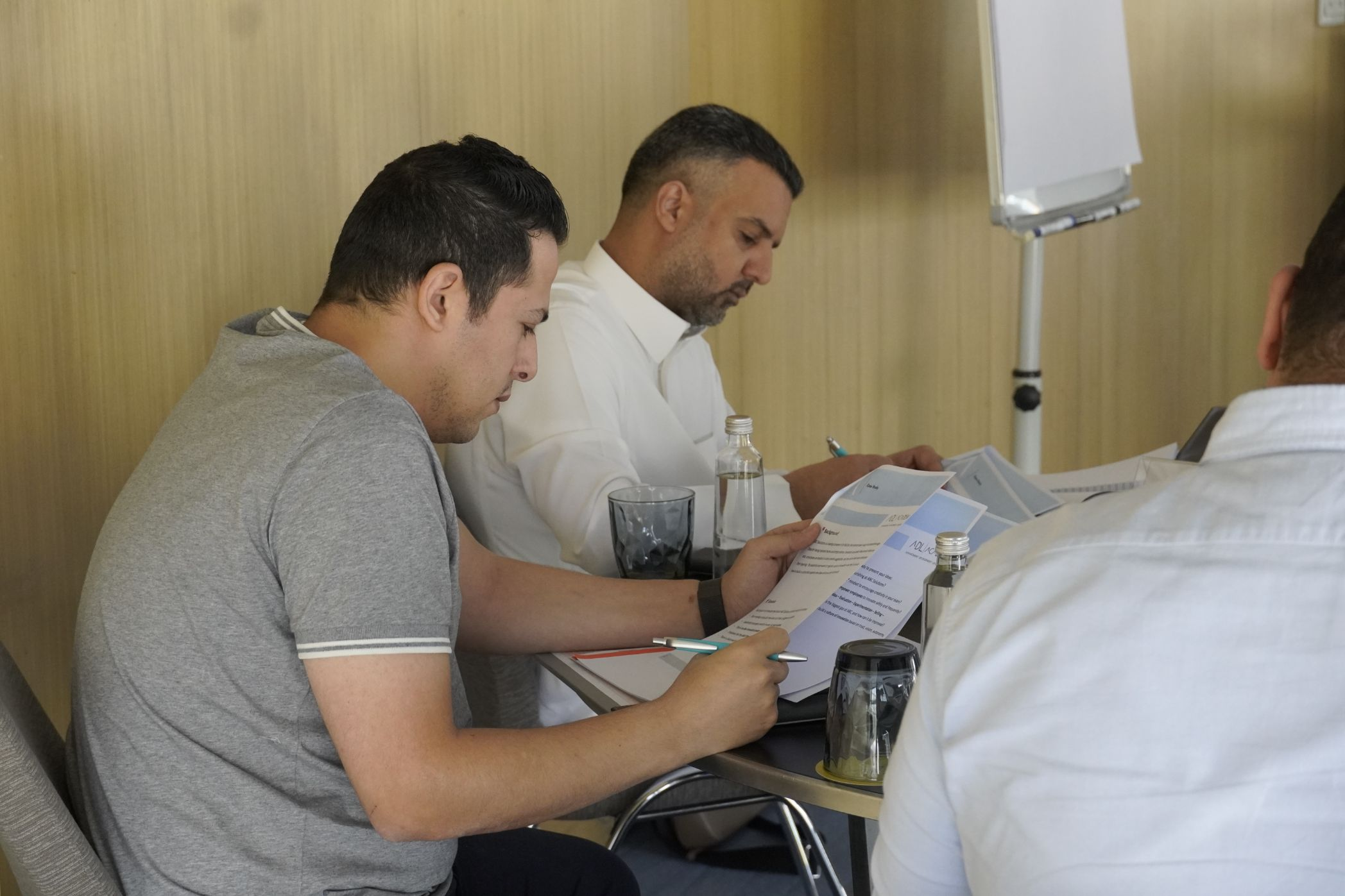
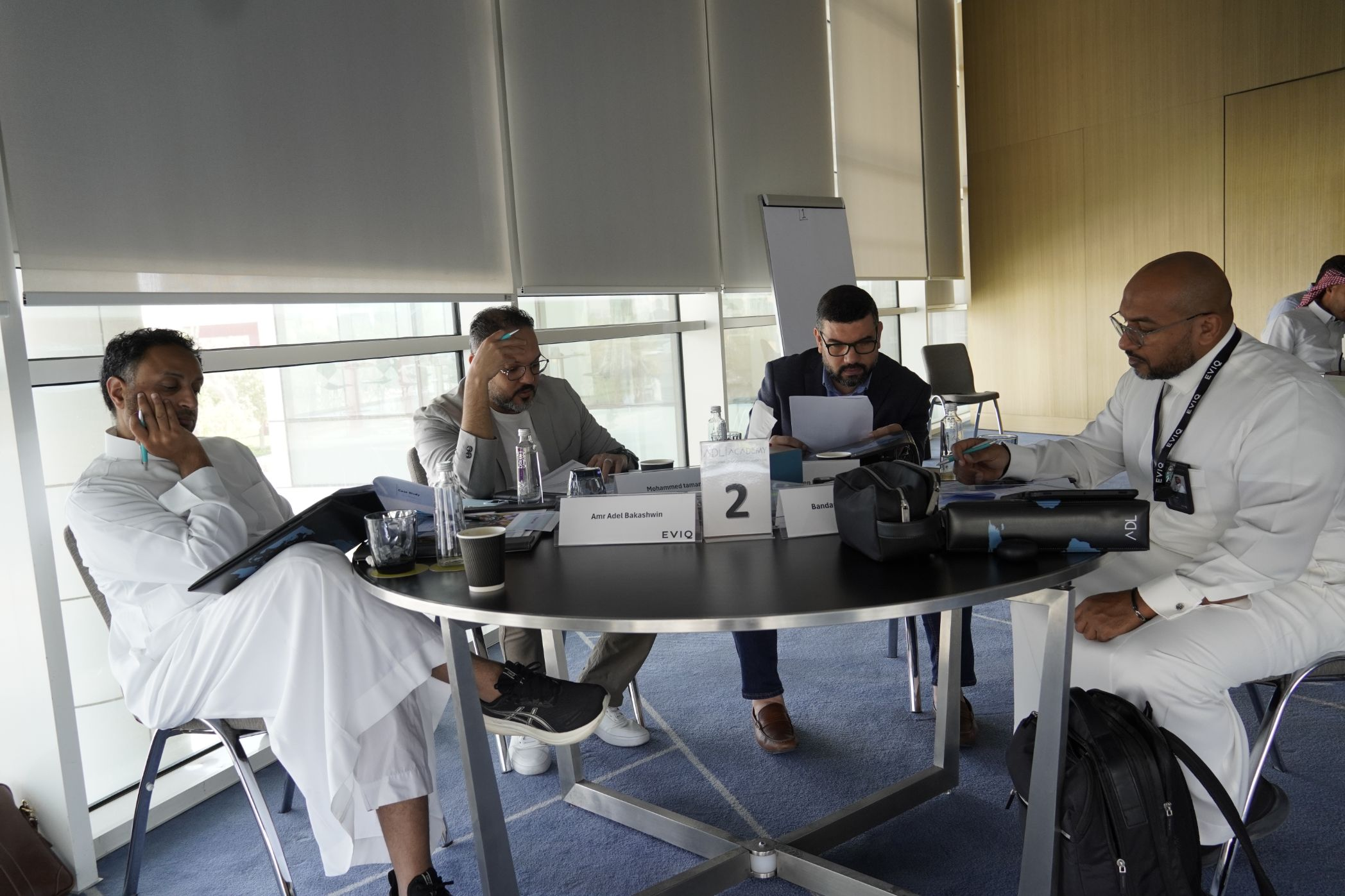
The company demonstrated a high level of professionalism and excellence throughout the delivery process. The training programs were well-organized, engaging, and impactful, reflecting the high standards of the ADL Academy team and its facilitators.
Based on our experience, we confidently recommend Al-ADL International Training Company for any organization seeking quality leadership development programs that drive tangible behavioral and organizational impact.
We wish them continued success and advancement.
GM - Shared Services, Wadi Jeddah Company
Peace, mercy, and blessings of Allah be upon you.
King Abdulaziz University extends its sincere thanks and appreciation for your valued participation in the “Leadership Excellence: Leading with Impact” workshop titled “Strategic Leadership and Initiatives,” held on Wednesday, 10/07/1447H, and directed to the leadership team of King Abdulaziz University.
Your contribution played a major role in the success of the workshop and in achieving its objectives, particularly in supporting institutional directions, enhancing strategic awareness, enriching knowledge, and raising the level of leadership awareness among the University’s leadership.
We express our deep gratitude for your efforts, wishing you continued success and prosperity in serving the University and our beloved nation.
With our highest appreciation and respect,
Director, Corporate Communication Center, King Abdulaziz University
We are at Bupa Arabia had the pleasure of having this training program. Our group consisted of 30 participants completing 20 modules linked to the 10 core competencies. Many of the technical and strategies discussed during the course were applied with a number of success stories resulting in positive organizational changes. We also saw a significant improvement in team leadership skills.
Chief HR Officer, Bupa Arabia
It’s our pleasure to share this recommendation based on our team’s recent experience with ADL Academy – Discovery Workshop.
Several of our employees had the privilege of participating in the Discovery Workshop, and the feedback we received was nothing short of exceptional. Recognizing the importance of continuous development, we selected and enrolled a group of team members with the intention of equipping them with tools to grow both personally and professionally. From the very beginning, the experience exceeded our expectations.
ADL Academy created a learning environment that was not only well-structured and insightful, but also highly engaging and thoughtfully delivered. The workshop encouraged participants to pause and reflect on their individual journeys, assess their personal and professional values, and envision a clearer path forward. The level of engagement, openness, and support throughout the sessions fostered meaningful conversations and lasting takeaways. It was a transformative experience that left a lasting impact on each participant.
We highly recommend ADL Academy to any organization that truly cares about the growth and development of its people. It was a powerful experience, and one we will gladly repeat.
AGK Company
We at Namaa Al-Munawara would like to take this time to show gratitude for the services of AL-ADL International Training LLC We approached them because we wanted to deliver the Foundation Management Program. The aim of this program is to develop the targeted group of fresh employees in the private sector of Medina, and provide them with the international essentialFoundations and principals of Management. And the practical expertise and know-how to excel in their new jobs. The program was delivered to 50 participants from several sectors in AlMadinah. The feedback of the participants was exceptionally excellent given that the program was uniquely customized to be linked to the teaching, values, and principles of Prophet Mohammed (Peace-be-upon-him).
Acting CEO, Namaa Almunawara

In recognition and appreciation of the outstanding workshop led by Dr. Hesham Al-Dabbagh. Your exceptional efforts and high-quality content have significantly enriched our team’s skills and knowledge.With full confidence, we highly recommend ADL Academy as a leading institution for professional training programs. We look forward to continued collaboration and future successes together.
Quality and Business Development Manager