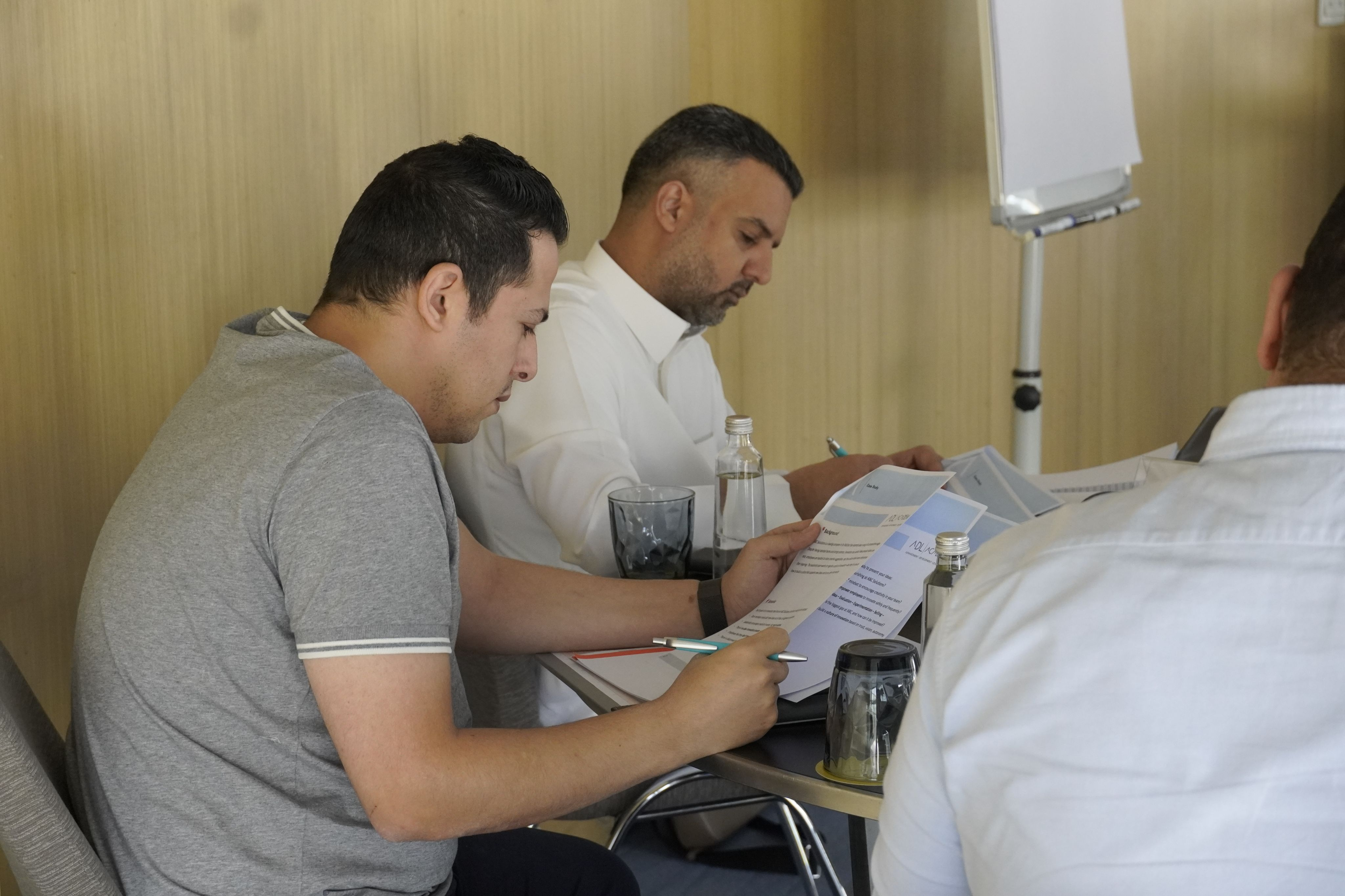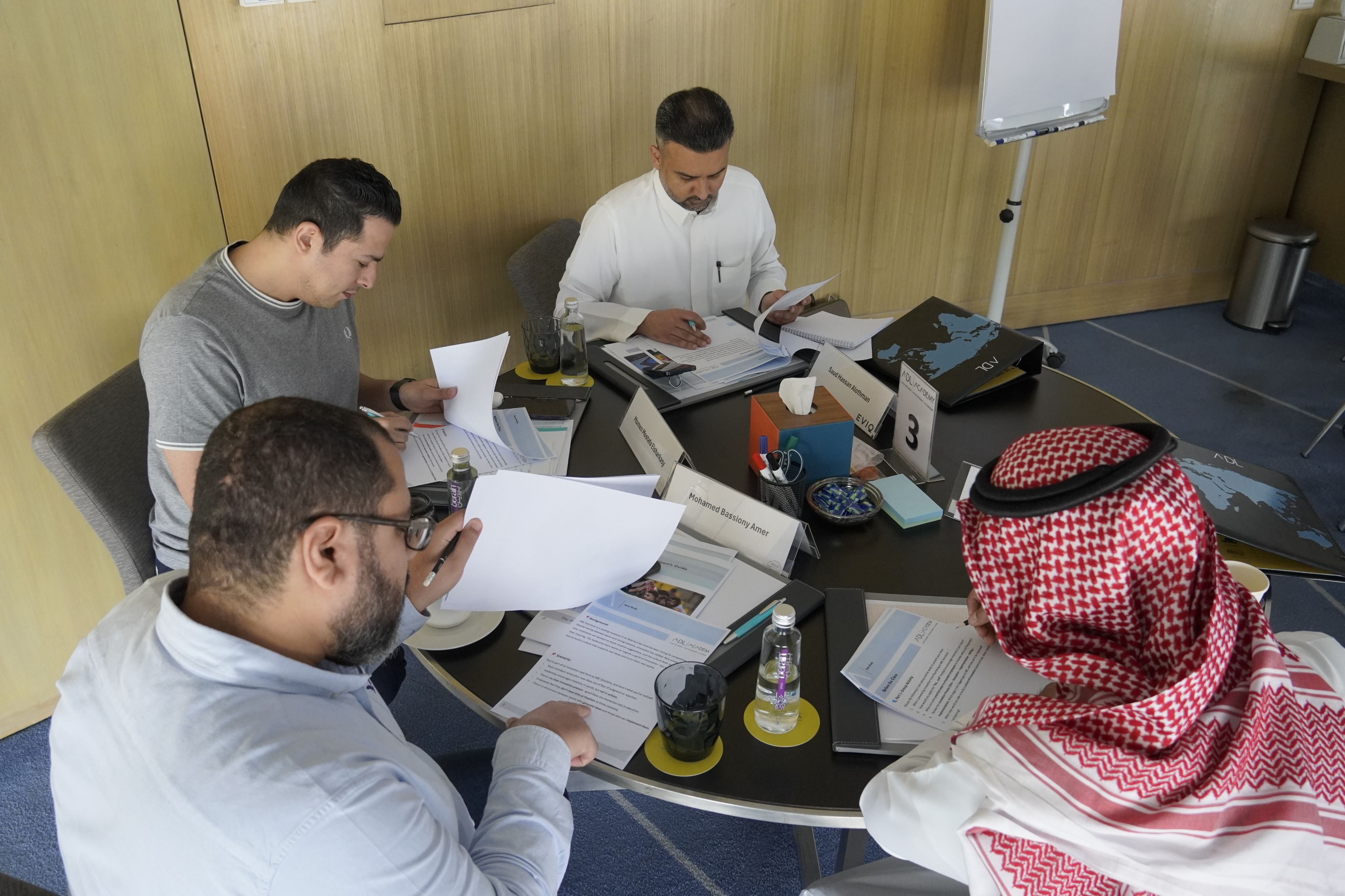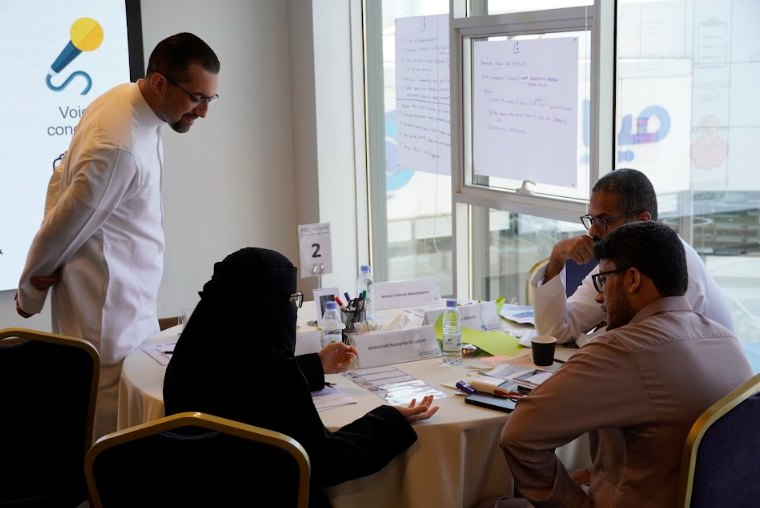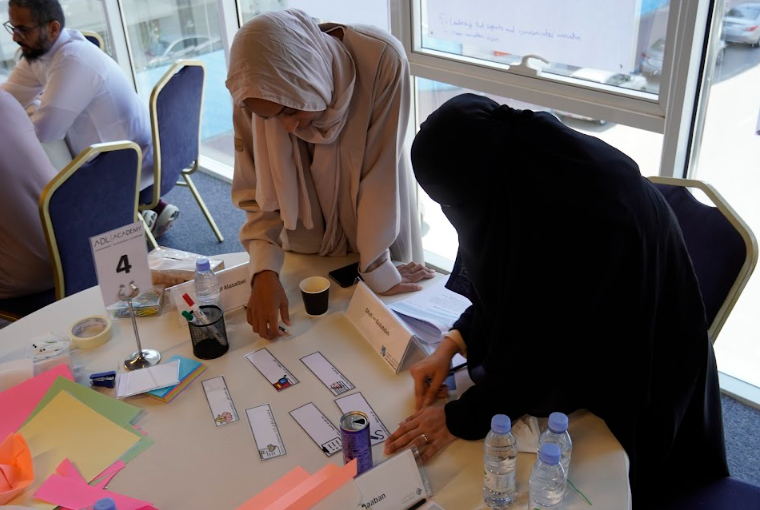
As organizations across Saudi Arabia adapt to changing business demands, building workforce capability has become essential. Effective corporate training helps employees strengthen skills, improve performance, and contribute more effectively to organizational goals while supporting productivity and long term growth.
Recruitment alone cannot provide the capabilities needed for sustained success. Organizations that invest in employee development are better positioned to retain talent, strengthen leadership readiness, adapt to change, and build a workforce that supports innovation and future business growth.

Quick Tip:
Align corporate training with future skill needs, business objectives, and Vision 2030 priorities. Investing in digital skills, leadership development, and local talent helps organizations build a more capable workforce and support long term growth.
Key Insights: Corporate Training and Vision 2030
- Corporate training builds skills needed for Vision 2030 and future workforce demands.
- Employee development improves performance, leadership, innovation, and business growth.
- Digital skills, AI, and leadership training help organizations adapt to change.
- Training supports Saudization by strengthening local talent and career growth.
- Measuring outcomes ensures training delivers business value.
- A learning culture helps organizations stay competitive and future-ready.
Why Workforce Development Is Central to Saudi Vision 2030
Saudi Vision 2030 emphasizes building a highly skilled workforce capable of supporting economic diversification and sustainable growth. Corporate training in Saudi Arabia helps organizations strengthen employee capabilities, close critical skill gaps, and prepare talent for emerging opportunities across sectors such as technology, tourism, logistics, and renewable energy.
As business requirements continue to evolve, organizations must focus on developing talent from within rather than relying solely on recruitment. Strategic learning initiatives support Saudization goals, improve workforce readiness, and create stronger leadership pipelines that contribute to long term organizational success. These investments are helping shape a new generation of professionals prepared for opportunities that continue to emerge across the Kingdom.
Building Future Ready Skills Through Corporate Training
As Saudi Arabia advances its Vision 2030 goals, organizations are investing in corporate training in Saudi Arabia to develop the skills needed for innovation, productivity, and long term competitiveness. Beyond technical expertise, employees increasingly require digital, leadership, and problem solving capabilities to adapt to changing technologies, evolving business needs, and emerging market opportunities.
Vision 2030 and Workforce Development
Vision 2030 places human capital development at the center of economic transformation. Organizations are investing in employee training programs to strengthen workforce readiness, close skill gaps, and prepare employees to contribute effectively in a rapidly diversifying economy.
Many businesses begin this process with a Training Needs Assessment to identify development priorities and capability gaps. Others leverage Learning and Development Consulting to align workforce development initiatives with long term business objectives and future growth strategies.
AI and Digital Skills
As technology adoption accelerates, businesses need employees who can understand data, leverage digital tools, and make informed decisions. Organizations are increasingly incorporating technology focused corporate training courses to build practical skills that support digital transformation, operational efficiency, and business innovation.
As AI adoption continues to grow across Saudi Arabia, organizations are strengthening AI awareness, data literacy, and technology driven decision making to remain competitive. Many leaders are investing in AI for Leaders Training to better understand emerging technologies and their impact on strategy, innovation, workforce productivity, and long term business performance.
Leadership Development and Succession Planning
Strong leadership remains critical as organizations navigate growth, transformation, and changing workforce expectations. Many businesses invest in leadership training in Saudi Arabia to strengthen decision making, communication, and strategic thinking, while Management Training Courses help managers improve day to day leadership effectiveness.
Preparing future leaders requires a long term approach. Organizations often invest in Executive Leadership Training, Leadership Development Program, and Succession Planning Training to strengthen leadership capability, improve succession readiness, and prepare future leaders for greater responsibilities.
Skills for Innovation and Sustainable Growth
As industries continue to evolve, organizations require employees with capabilities that align with emerging priorities. Areas such as renewable energy, sustainable business practices, governance, and financial innovation are becoming increasingly important across the Kingdom.
Targeted learning initiatives help employees develop specialized expertise while supporting broader organizational objectives. This approach enables businesses to remain competitive while preparing their workforce for future industry demands.
How Corporate Training Supports Saudization Goals
Saudization remains a key priority within Vision 2030, encouraging organizations to develop Saudi talent for specialized, technical, and professional roles across growing sectors of the economy. Many organizations are investing in employee training programs to strengthen local capabilities, reduce skill shortages, and prepare Saudi professionals for greater responsibilities.
Workforce Localization
Developing local talent requires more than recruitment alone. Through structured development initiatives, organizations can accelerate workforce localization, strengthen internal mobility, and prepare Saudi professionals for higher value roles across critical sectors. This approach helps reduce dependency on external hiring while creating a stronger foundation for sustainable workforce growth.
Career Mobility
Training supports career progression by helping employees gain the knowledge and skills needed to advance within their organizations. Clear development pathways often improve engagement, retention, and long term workforce stability while creating more opportunities for Saudi professionals to move into specialized and higher responsibility roles.
Saudi Talent Development
By investing in local talent development, organizations contribute to a more capable and self sustaining workforce. This not only supports Saudization goals but also strengthens organizational resilience, improves workforce continuity, and supports long term business performance across the Kingdom.
Measuring the Business Impact of Corporate Training
Organizations should evaluate training based on business outcomes rather than participation alone. Many begin with a Training Needs Assessment in Saudi Arabia to identify capability gaps, align learning priorities with business objectives, and ensure development investments focus on areas that deliver meaningful organizational value.
Training effectiveness can be measured through improvements in employee performance, productivity, engagement, and leadership readiness. Common indicators include productivity improvements, promotion rates, employee retention, leadership readiness, operational efficiency, and achievement of business objectives. Through a structured leadership development program, organizations can strengthen management capability, reduce workforce risks, and support long term business growth.
Why Learning Must Become Part of Organizational Culture
Organizations achieve the greatest value from training when learning becomes part of everyday work rather than a one time event. Many companies use Learning and Development Consulting in Saudi Arabia to create structured learning environments that align employee development with long term business priorities and organizational goals.
Managers play an important role in reinforcing new skills through coaching, feedback, and ongoing development opportunities. Organizations with strong learning cultures are often better equipped to respond to market disruptions, technological change, and evolving customer expectations. As a result, they become more adaptable, innovative, and prepared to meet future workforce challenges while maintaining a competitive advantage.
What Separates High Impact Training Partners From the Rest
The success of any training initiative depends on partnering with an organization that understands your industry, workforce challenges, and business objectives. Leading corporate training companies deliver customized solutions that align learning with measurable business outcomes rather than relying on generic training programs.
At ADL Academy, we combine leadership development, workforce capability building, experiential learning, and business aligned outcomes to help organizations achieve measurable performance improvements. Through practical learning experiences, strategic workforce insights, and tailored development solutions, we help organizations strengthen leadership effectiveness, build future ready talent, and support long term organizational success.
Leaders looking to further strengthen management capability can also explore our guide on top leadership skills for Saudi managers, which provides practical guidance for preparing future leaders and navigating evolving workplace demands.
Conclusion: Preparing the Workforce for Vision 2030
As Saudi Arabia continues advancing its Vision 2030 agenda, organizations must focus on developing the skills, leadership capability, and workforce readiness needed for long term success. Corporate training in Saudi Arabia plays a critical role in strengthening organizational performance, supporting Saudization goals, and preparing employees to contribute effectively in a rapidly evolving economy.
Organizations that assess capability gaps today and invest in structured development strategies will be better positioned to achieve workforce goals, strengthen competitiveness, and support Vision 2030 priorities. By aligning talent development with business objectives, companies can build future ready workforces that drive sustainable growth and long term organizational success.
FAQs
Corporate training helps organizations develop Saudi talent for specialized, technical, and leadership roles. By strengthening local capabilities and reducing skill gaps, businesses can support workforce localization while reducing reliance on external recruitment.
As Saudi Arabia’s economy continues to diversify, organizations increasingly value digital literacy, leadership, problem solving, data analysis, adaptability, and strategic thinking. These skills help employees contribute effectively in evolving business environments.
Organizations can evaluate training ROI through improvements in productivity, employee retention, promotion rates, operational efficiency, leadership readiness, and the achievement of key business objectives.
Succession Planning Training helps organizations prepare high potential employees for future leadership responsibilities. This strengthens organizational continuity, reduces leadership risks, and supports long term workforce sustainability.
Continuous learning helps employees develop new skills, adapt to changing business needs, and apply knowledge more effectively in their roles. Organizations that promote ongoing development often experience stronger performance, innovation, and workforce agility.
A Training Needs Assessment should identify capability gaps, workforce priorities, business objectives, and future skill requirements. This helps ensure learning investments are aligned with organizational goals and deliver measurable value.