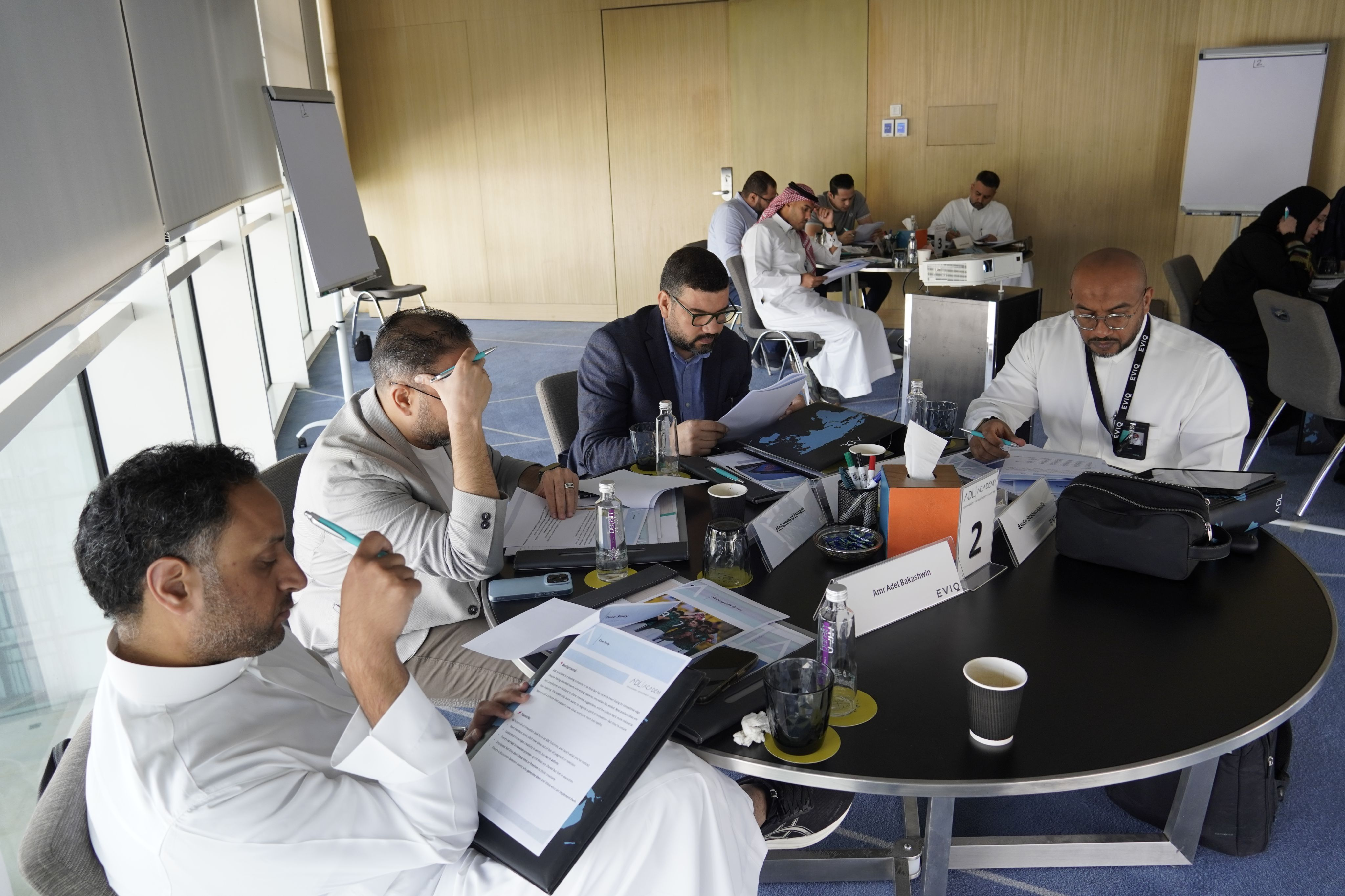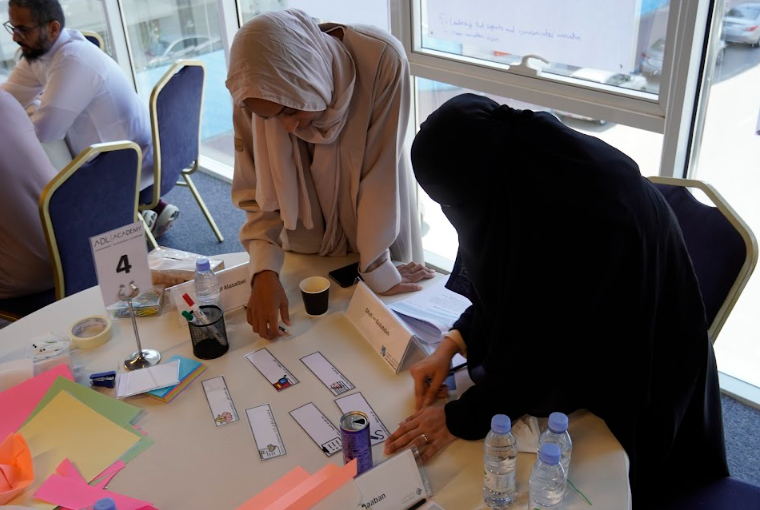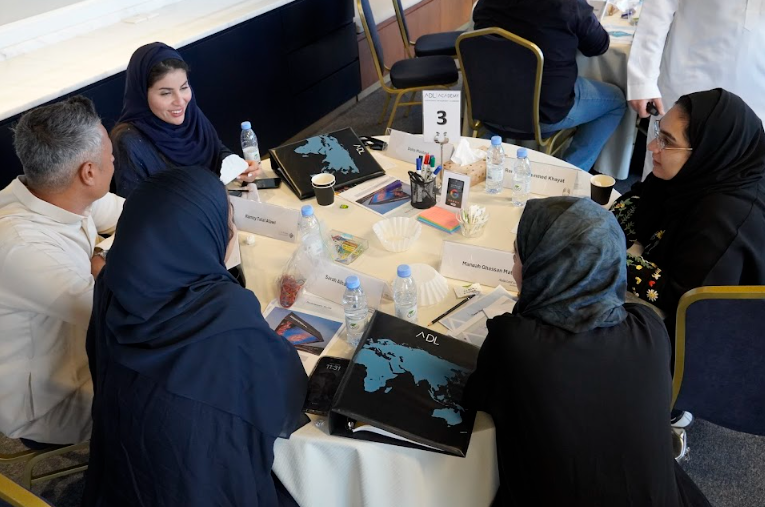

Saudi organizations are managing rapid economic transformation, digital adoption, and evolving workforce expectations as they work toward Vision 2030 objectives. In this environment, strong leadership at every level has become essential for maintaining productivity, driving performance, and ensuring teams remain aligned with organizational priorities.
Middle managers play a critical role in turning strategy into execution while supporting employee engagement, collaboration, and operational effectiveness. As responsibilities continue to expand, many organizations are investing in management training to strengthen leadership capability, develop future leaders, and build more resilient organizations prepared for the challenges and opportunities ahead.

Quick Tip:
Middle managers drive Vision 2030 execution. Regularly assess skill gaps and align management training with leadership, digital, and operational priorities to turn managers into strategic enablers of performance and growth.
Key Takeaways: Management Training Benefits
- Middle managers connect strategy with execution and are essential for achieving business goals.
- Management training builds leadership, communication, coaching, and decision-making skills.
- Strong managers improve employee engagement, productivity, and team performance.
- Developing middle managers strengthens leadership pipelines and supports long-term growth.
- Practical training helps Saudi organizations build adaptable, future-ready teams.
Why Middle Managers Are the Key to Stronger Saudi Organizations
Middle managers are the critical link between executive strategy and day-to-day execution. They ensure that business objectives are translated into practical actions, teams remain aligned, and operations run efficiently across departments.
In Saudi organizations, their role directly influences productivity, employee engagement, and execution quality. As companies scale under Vision 2030, the ability of middle managers to coordinate teams, maintain alignment, and drive performance has become a key factor in organizational success.
Why Traditional Management Skills Are No Longer Enough
Traditional management approaches focused on supervision, control, and process compliance. Today’s organizations require managers who can build trust, develop talent, support collaboration, and lead through change. As Saudi companies advance Vision 2030 priorities, modern leadership capabilities have become essential for workforce performance, adaptability, and sustainable business growth.
Communication and Team Alignment
Traditional top down communication models often create disconnects between leadership priorities and employee execution. Managers must clearly communicate expectations, align teams around common goals, and ensure employees understand how their work contributes to broader business objectives.
Many organizations strengthen these capabilities through Communication Skills Training, helping managers improve collaboration, accountability, and alignment across teams and departments. Modern employees also expect greater ownership and involvement in decision making, making collaborative leadership increasingly important.
Emotional Intelligence and Relationship Building
Managing people requires more than technical knowledge. Managers must understand different personalities, recognize employee concerns, and build trust across teams. Many organizations complement manager development with Emotional Intelligence Training to help leaders strengthen self awareness, improve interpersonal effectiveness, and build stronger workplace relationships.
Strong emotional intelligence helps managers create positive workplace relationships while improving collaboration and employee engagement. It also supports better decision making during challenging situations and periods of organizational change. In today’s competitive talent market, employees are more likely to remain with organizations where managers create supportive, inclusive, and growth focused work environments.
Coaching and Employee Development
Employees increasingly expect managers to support their growth rather than simply evaluate performance. Organizations that prioritize employee development often experience stronger engagement, capability growth, and workforce stability.
Effective managers act as coaches who provide guidance, feedback, and development opportunities that help employees strengthen skills and prepare for future responsibilities. This approach contributes to stronger individual performance, career progression, and long term organizational success.
Conflict Resolution and Change Management
Business environments are evolving faster than ever, requiring organizations to respond quickly to new technologies, market demands, and changing workforce expectations. Execution quality depends heavily on middle management capability.
Organizations often support these capabilities through Conflict Resolution Training, enabling managers to address workplace challenges, lead through change, and create stability during periods of transformation. Managers who can adapt quickly are often better positioned to help organizations remain agile, resilient, and competitive.
The Accidental Manager Challenge
Many organizations promote high performing employees into management roles based on technical expertise or operational success rather than leadership readiness. While these individuals may excel in their functional responsibilities, they are not always equipped to manage people effectively.
Without proper development, managers may struggle with communication, coaching, conflict resolution, employee engagement, and team dynamics. Due to this, firms strengthen middle management capability through management skills training to prepare managers for the broader leadership responsibilities required in today’s workplace.
How Does Management Training Develop Better Leaders?
Structured management training helps close leadership gaps by building practical skills that managers can apply immediately in their roles. Businesses prioritizing management capability development experience stronger execution, improved team alignment, better decision-making speed, and higher employee performance consistency.
Building Trust Within Teams
Trust is essential for high performing teams. Managers who create environments that balance accountability with psychological safety often encourage stronger collaboration, communication, and employee ownership.
Improving Decision Making
Managers make decisions that directly affect employees, operations, and business performance. Structured development helps them strengthen analytical thinking, evaluate risks, and make informed decisions that support organizational goals.
Creating High Performing Teams
Strong managers help employees grow, improve performance, and prepare for future responsibilities. Many organizations combine leadership development training with management development initiatives to build motivated teams, strengthen productivity, and achieve better business results.
The Business Impact of Strong Middle Managers
Middle managers directly influence employee experience, operational performance, and workforce stability. Organizations that invest in management training often see measurable outcomes such as reduced employee turnover, improved promotion readiness, faster decision cycles, stronger execution consistency, and higher leadership readiness across the organization.
Higher Employee Retention
Employees are more likely to stay when managers communicate clearly, provide consistent support, and create structured, positive work environments. Strong management capability leads to reduced employee turnover and greater long term workforce stability.
Collaboration and Productivity
Effective managers improve communication flow, clarify priorities, and remove operational barriers. This results in faster decision cycles, improved coordination, and stronger execution consistency across teams and departments.
Stronger Succession Planning
Future leadership pipelines depend on how well managers identify and develop talent. Structured leadership development improves promotion readiness and strengthens internal succession capability across the organization.
Consistent Leadership Standards
Organizations perform better when managers follow consistent leadership practices and decision making frameworks. This improves alignment across teams, strengthens accountability, and ensures long term leadership consistency across the business.
Selecting a Management Training Partner That Delivers Results
Effective management training must address real workplace challenges, align with business goals, and deliver measurable leadership improvements. Organizations gain the most value when learning is practical, outcome-focused, and directly improves execution and decision making.
At ADL Academy, we deliver measurable management capability improvements through practical, business focused learning. Our Management Training Courses in Saudi Arabia help close managerial performance gaps, strengthen leadership effectiveness, and improve how managers operate in real workplace situations.
We focus on improving execution, alignment, and consistency across teams, ensuring managers are equipped to lead effectively and drive long term organizational performance. Organizations can request a proposal to explore tailored development solutions aligned with their business objectives.
Conclusion: Management Training for Saudi Leaders
Saudi companies are operating in a rapidly evolving business environment where leadership capability directly influences performance, productivity, and long term growth. As organizations continue advancing Vision 2030 objectives, investing in management training has become essential for building resilient teams, improving execution, and strengthening middle management effectiveness across all levels.
Organizations that prioritize structured development for their managers are better positioned to adapt to change, retain talent, and achieve consistent business outcomes. By strengthening leadership capability today, Saudi businesses can build future ready organizations capable of sustaining growth, driving innovation, and supporting national workforce transformation goals.
FAQs
Middle managers need leadership, communication, and decision making skills to turn strategy into execution. Management training strengthens these capabilities and improves overall team performance and business outcomes.
Without proper training, managers often struggle with communication, alignment, and leadership consistency, leading to lower productivity, poor engagement, and higher employee turnover.
It builds practical leadership skills that improve decision making, communication, and team effectiveness while supporting Vision 2030 workforce development goals.
Key skills include communication, emotional intelligence, coaching, conflict resolution, adaptability, and strategic thinking to manage teams effectively in modern workplaces.
They improve productivity, leadership consistency, employee engagement, and operational efficiency while strengthening long term organizational performance.
Middle managers connect strategy with execution, directly influencing team performance, workplace culture, and overall business efficiency.