Technical expertise alone no longer guarantees strong workplace performance. In modern organizations, productivity increasingly depends on how effectively employees communicate, collaborate, adapt to change, and manage workplace relationships. As hybrid work environments continue evolving, interpersonal effectiveness now plays a direct role in workforce capability and operational success.
This is why soft skills training has become a strategic priority for organizations focused on workforce performance and long-term growth, leadership development, and employee performance. Companies investing in structured soft skills development often experience stronger collaboration, healthier organizational culture, improved accountability, and more consistent business performance.

Quick Tip:
Soft skills training helps employees communicate clearly, collaborate effectively, and adapt faster to challenges, leading to stronger productivity and smoother day-to-day operations.
Key Facts: Soft Skills Drive Workplace Success
- Strong soft skills improve communication, collaboration, and workplace productivity.
- Employees with adaptability and emotional intelligence often manage business challenges more effectively.
- Better communication and teamwork help reduce delays, conflict, and operational inefficiencies.
- Soft skills development supports stronger leadership, engagement, and organizational culture.
- Continuous learning helps organizations build more resilient and adaptable teams.
- Organizations investing in workforce development are often better positioned for long-term business growth.
Why Soft Skills Training Matters in the Modern Workplace
Soft skills training helps employees improve communication, collaboration, adaptability, emotional intelligence, and problem-solving skills that directly influence workplace productivity and business performance. As hybrid work environments and AI-driven technologies continue changing how organizations operate, employers increasingly prioritize interpersonal capabilities alongside technical expertise.
Hard Skills vs Soft Skills
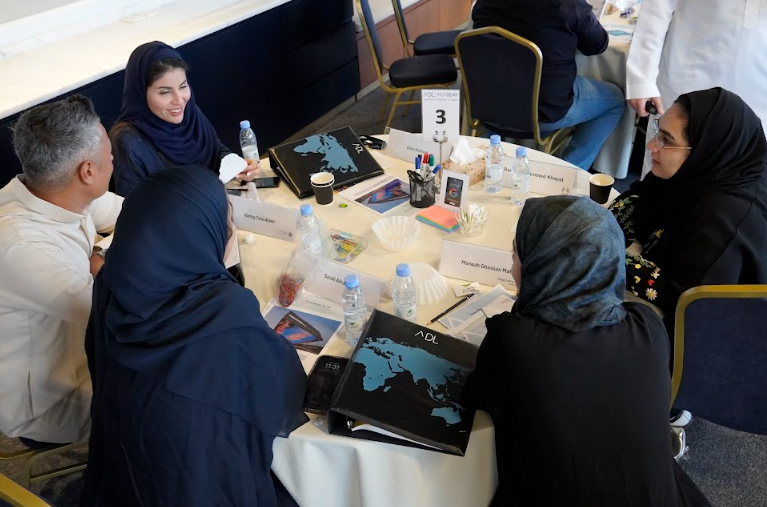
Hard skills focus on technical knowledge and task execution, while soft skills influence how employees communicate, collaborate, solve problems, and manage professional relationships. Modern organizations now require both to maintain strong workforce performance and operational efficiency.
Why Employers Prioritize Soft Skills
Employers increasingly value employees who can adapt quickly, communicate clearly, and work effectively across teams. Strong interpersonal capability often improves leadership effectiveness, workplace collaboration, and overall business performance.
Connection to Productivity and Performance
Employees with stronger soft skills often manage responsibilities more effectively, resolve challenges faster, and contribute to healthier business environments. Organizations that strengthen communication, adaptability, and collaboration often experience higher employee engagement, stronger productivity, and improved workforce stability.
Importance in Hybrid Work Environments
Hybrid and remote work models have increased the need for stronger communication, adaptability, and collaboration across teams. Organizations investing in structured corporate soft skills training are often better positioned to maintain workforce alignment, employee engagement, and operational stability in evolving work environments.
Key Soft Skills That Improve Employee Performance
Modern businesses increasingly recognize that technical expertise alone is not enough to maintain strong workforce performance. Employees also need communication, adaptability, emotional intelligence, and problem-solving capabilities that help teams collaborate effectively, manage workplace challenges, and maintain productivity in fast-changing environments.
Communication Skills
Strong communication helps employees share ideas clearly, reduce misunderstandings, and improve collaboration across teams. Effective workplace communication also strengthens accountability, operational efficiency, and day-to-day coordination in both in-person and hybrid work environments.
Emotional Intelligence
Teams perform differently when emotional intelligence is missing. Miscommunication, unresolved conflict, and poor collaboration can quickly affect morale, teamwork, and operational performance. Employees with strong emotional awareness are often better equipped to manage professional relationships, handle pressure effectively, and contribute to stronger collaboration and leadership effectiveness.
Time Management
Employees with strong time management skills are often better at prioritizing responsibilities, maintaining focus, and handling workloads efficiently. These capabilities help improve productivity while reducing workplace stress, delays, and operational inefficiencies.
Problem Solving and Critical Thinking
Problem-solving skills help employees make better decisions, adapt to workplace challenges, and contribute innovative ideas that support business performance. Critical thinking also improves an employee’s ability to respond effectively during periods of uncertainty or organizational change.
Team Collaboration and Adaptability
Collaboration and adaptability are essential in modern workplaces where teams often work across departments, locations, and digital platforms. Employees who adapt quickly and collaborate effectively usually contribute to stronger organizational alignment, healthier communication, and more consistent operational performance.
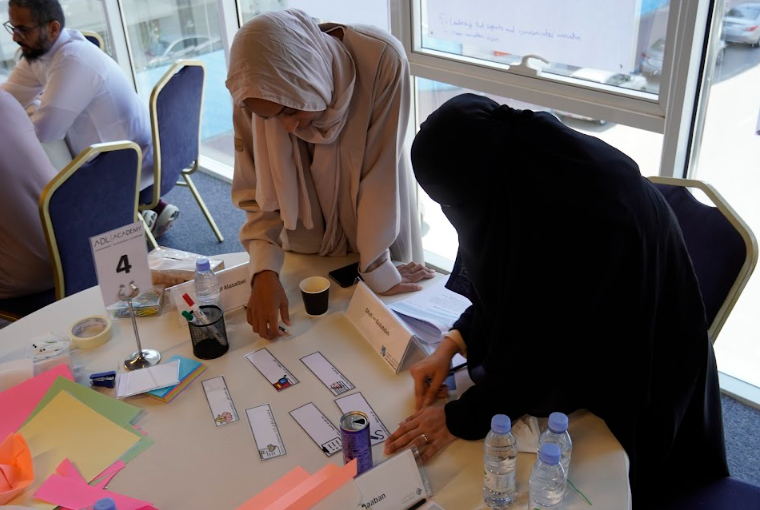
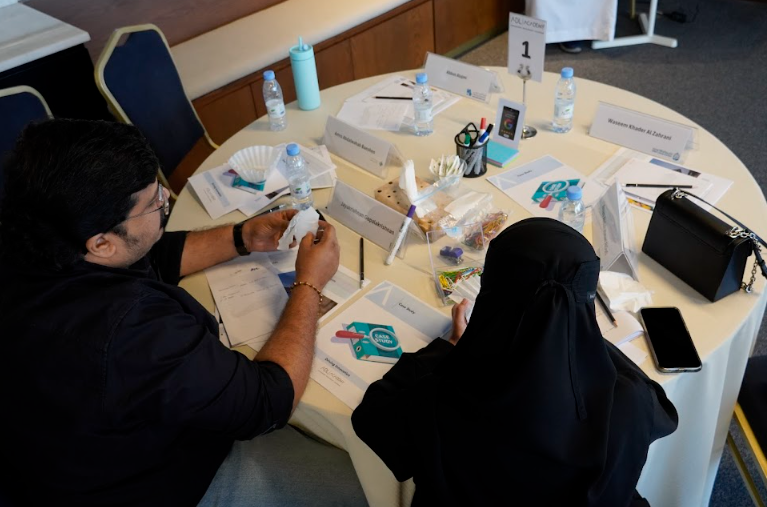
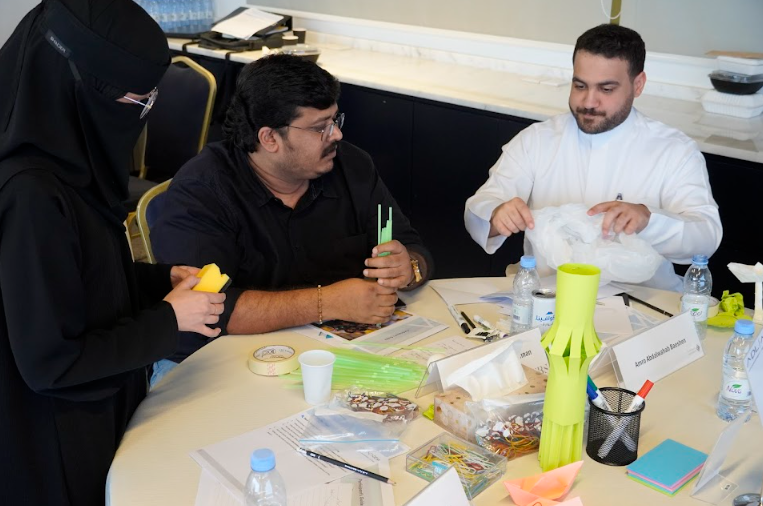
Many organizations now prioritize leadership soft skills training to strengthen collaboration, adaptability, and cross-functional communication across teams. Through practical workplace application and coaching-based development, ADL Academy’s Soft Skills Program helps organizations improve team alignment, communication effectiveness, and workforce collaboration in modern business environments.
How Soft Skills Training Improves Workforce Productivity
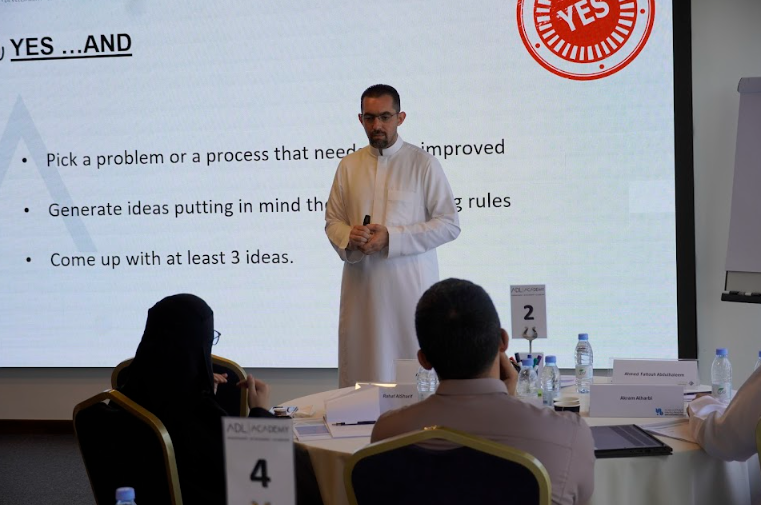
Organizations that invest in structured soft skills training often experience stronger employee engagement, improved collaboration, better leadership effectiveness, and more consistent workplace productivity. Employees with stronger interpersonal capabilities typically communicate more effectively, handle business challenges better, and contribute to healthier team dynamics across departments.
Soft skills development also plays a direct role in customer experience, workforce stability, and operational performance. Strong corporate soft skills often improve accountability, strengthen business culture, and help organizations respond more effectively during periods of change. This is why many businesses now view workforce capability development as a long-term strategic investment rather than a one-time training activity.
Through practical learning frameworks and workplace-focused development, Corporate Training Solutions help organizations strengthen workforce collaboration, leadership effectiveness, and long-term business performance.
Challenges of Implementing Soft Skills Training
Many organizations invest in soft skills training, but long-term success often depends on how well the program is implemented and reinforced across the workplace.
Common challenges include:
- Difficulty measuring ROI and workplace impact
- Low employee participation or resistance to training
- Choosing overly theoretical or ineffective training methods
- Lack of leadership involvement and reinforcement
- Difficulty maintaining long-term behavioral change
Many companies also struggle because employees attend one-time workshops without ongoing coaching, feedback, or practical business application. As a result, initial improvements may fade over time.
Organizations can overcome these challenges by:
- Sligning training with business goals and workforce needs
- Setting measurable learning outcomes and KPIs
- Involving managers in development initiatives
- Reinforcing learning through coaching and feedback
- Using practical workplace-focused training methods
Businesses that approach workforce development strategically are often more successful in creating lasting behavioral improvement, stronger collaboration, and long-term workplace performance.
Why One-Time Soft Skills Workshops Often Fail
Workplace behavior rarely changes through a single training session alone. Employees often need continuous reinforcement, practical application, coaching, and regular feedback before new communication, collaboration, and leadership habits become part of everyday workplace performance.
Long-term development helps employees strengthen adaptability, emotional intelligence, teamwork, and decision-making while improving overall workforce capability. Managers also play a critical role by reinforcing learning through coaching conversations, mentoring, and ongoing performance support.
Modern organizations increasingly understand that important soft skills for professionals continue evolving as workplace responsibilities, leadership expectations, and business environments change. Companies that build continuous learning cultures are often better positioned to improve workforce resilience, adaptability, and long-term organizational performance.
Choosing the Right Soft Skills Training Partner
Organizations should carefully evaluate workforce development providers based on industry expertise, customization capability, practical learning methods, measurable outcomes, and alignment with organizational goals. Generic training programs often fail to address the real operational and leadership challenges businesses face.
This is the reason that many companies now prioritize customized corporate soft skills training solutions that reflect their workforce structure, business priorities, and long-term growth objectives. Blended learning delivery, coaching integration, and workplace-focused development often create stronger long-term impact than standardized training models.
As organizations across Saudi Arabia continue strengthening workforce capability aligned with Saudi Vision 2030, leadership and workforce development are becoming long-term strategic priorities. Through practical learning, coaching-based development, and applied workforce solutions, ADL Academy positions itself as a trusted leadership and workforce development partner for organizations across the region.
Conclusion: Strong Soft Skills Create Stronger Organizations
Communication, adaptability, collaboration, emotional intelligence, and accountability now play a direct role in workforce productivity, employee engagement, and long-term organizational success. Organizations that invest in structured soft skills training are often better positioned to strengthen organizational culture, improve operational performance, and build more resilient teams.
Long-term workforce capability requires continuous learning, leadership support, and practical development strategies that align with evolving business demands. Through experiential learning and workplace-focused development, ADL Academy helps organizations strengthen communication, leadership effectiveness, and workforce collaboration through structured training aligned with modern business environments.
FAQs
Soft skills training helps employees improve communication, collaboration, emotional intelligence, adaptability, leadership, and workplace effectiveness. These interpersonal capabilities support stronger workforce performance and healthier workplace relationships.
Employees with strong soft skills often communicate more effectively, manage responsibilities better, and collaborate more successfully across teams. This is why many organizations invest in structured soft skills training programs for employees to improve productivity and engagement.
Corporate soft skills training helps organizations strengthen teamwork, leadership effectiveness, employee engagement, and operational efficiency. Strong interpersonal capability also improves customer interactions and organizational culture.
Employees who develop communication, time management, and collaboration skills are often better equipped to handle workloads efficiently and work effectively across teams. This is why soft skills training programs for employees often contribute to stronger operational performance.
Important soft skills for professionals include communication, emotional intelligence, adaptability, teamwork, problem solving, and time management. These skills help employees perform effectively in modern business environments.
Leadership soft skills training helps managers strengthen communication, accountability, conflict management, coaching capability, and decision-making. Stronger leadership capability often improves team alignment, employee engagement, and workplace performance.