As organizations face increasing workforce complexity and rapid technological shifts, HR is no longer just an administrative function it drives strategic growth. HR management training courses equip professionals with the expertise to align talent strategy with business goals. They also enhance operational efficiency and strengthen organizational culture.
By developing leadership capability and workforce performance, structured HR programs enable companies to respond proactively to change and build long-term competitive advantage. This guide explains the role of HR management, why training is critical, and how targeted programs help organizations achieve measurable business outcomes.

Quick Tip:
Invest in HR management training courses to align your workforce with business goals. Well-trained HR professionals boost productivity, retain top talent, reduce compliance risks, and create a positive, high-performing workplace culture.
What Is Human Resource Management?
Human Resource Management (HRM) is the strategic approach to managing an organization’s employees to maximize performance and achieve business goals. It spans the entire employee lifecycle, including recruiting, hiring, training, compensating, and retaining staff, while fostering a positive and productive work culture.
Key Functions of HRM:
- Recruitment and Talent Acquisition: Attracting and selecting the right talent to meet organizational needs.
- Employee Development and Training: Building skills and enhancing performance through structured learning initiatives.
- Performance Management Systems: Monitoring work, setting goals, and providing feedback to improve productivity.
- Employee Engagement and Retention: Creating programs to motivate and retain high performers.
HRM aligns workforce strategies with organizational objectives, strengthens operational efficiency, and supports long-term business growth. HR management training courses equip HR professionals with the skills and frameworks to execute these functions effectively.

Why HR Management Matters in Modern Organizations
Human Resource Management (HRM) has transformed from a purely administrative role into a strategic driver of organizational success, profitability, and growth. In modern businesses, where labor costs can account for up to 70% of total expenses, effective HR management is critical for aligning talent strategy with business goals, fostering a positive workplace culture, and ensuring compliance.
Skilled HR professionals now play a pivotal role in organizational transformation, building sustainable talent pipelines, and retaining top performers. Structured HR management training courses amplify this impact by equipping HR leaders with practical skills and frameworks to implement workforce strategies effectively. These programs strengthen leadership capability, optimize workforce planning, and enhance operational efficiency, driving productivity, engagement, and long-term business growth.
Organizational Benefits
- Improved Employee Productivity: HR training equips professionals to optimize workforce planning, implement effective performance management systems, and streamline processes, creating a skilled, efficient, and results-driven workforce.
- Reduced Risk and Legal Compliance: Trained HR leaders understand labor laws and organizational policies, proactively mitigating compliance risks and preventing costly legal issues.
- Better Talent Acquisition and Retention: Structured training enables HR teams to design modern recruitment strategies, implement onboarding programs, and develop retention initiatives that attract and retain high-quality talent.
- Enhanced Workplace Culture: HR professionals learn to foster a collaborative, inclusive, and motivating work environment, reinforcing organizational values and boosting employee engagement.
Professional Benefits
- Career Advancement for HR Professionals: Accredited programs and certification courses enhance credibility, strengthen leadership skills, and provide clear pathways for progression into strategic HR roles.
- Leadership and Strategic Capability: Training develops expertise in workforce planning, performance evaluation, and organizational development, enabling HR leaders to contribute directly to business strategy. Understanding the difference between leadership and management is essential in this process, as HR professionals must balance strategic vision with operational execution.
- Operational Impact: HR professionals trained in structured approaches can implement initiatives that improve efficiency, team alignment, and organizational resilience, translating knowledge into measurable business results.
By integrating both organizational and professional benefits, HR management training ensures that HR teams not only support current operational goals but also build future-ready talent pipelines, creating long-term value for the company and its employees.
Effective Strategies for Human Resource Training Programs
Implementing successful HR management training requires a strategic, structured approach that goes beyond one-size-fits-all solutions. Effective programs begin with a thorough assessment of organizational needs, are tailored to develop targeted HR competencies, and use diverse learning methods to ensure maximum engagement and measurable impact on business performance.
Identifying Organizational Training Needs
Before designing any HR program, organizations must evaluate skill gaps and capability requirements across their HR teams. This can be achieved through:
- Workforce Assessments: Analyzing current HR capabilities against business objectives to identify strengths and areas for improvement.
- Performance Reviews: Reviewing HR performance metrics to understand where additional training or support is needed.
- HR Capability Analysis: Benchmarking HR knowledge and skills against industry standards and organizational expectations.
By accurately identifying gaps, training initiatives focus on critical areas that drive business growth, ensuring resources are efficiently used and outcomes are measurable.
Designing Tailored HR Development Programs
Once needs are assessed, programs should be customized to align with organizational strategy and leadership priorities. Tailored HR courses, including HR advanced courses, provide specialized modules to enhance skills in talent acquisition, workforce planning, compliance, and employee engagement. Custom programs also support leadership development within HR teams, enabling professionals to contribute strategically to organizational transformation.
Choosing the Right Learning Methods
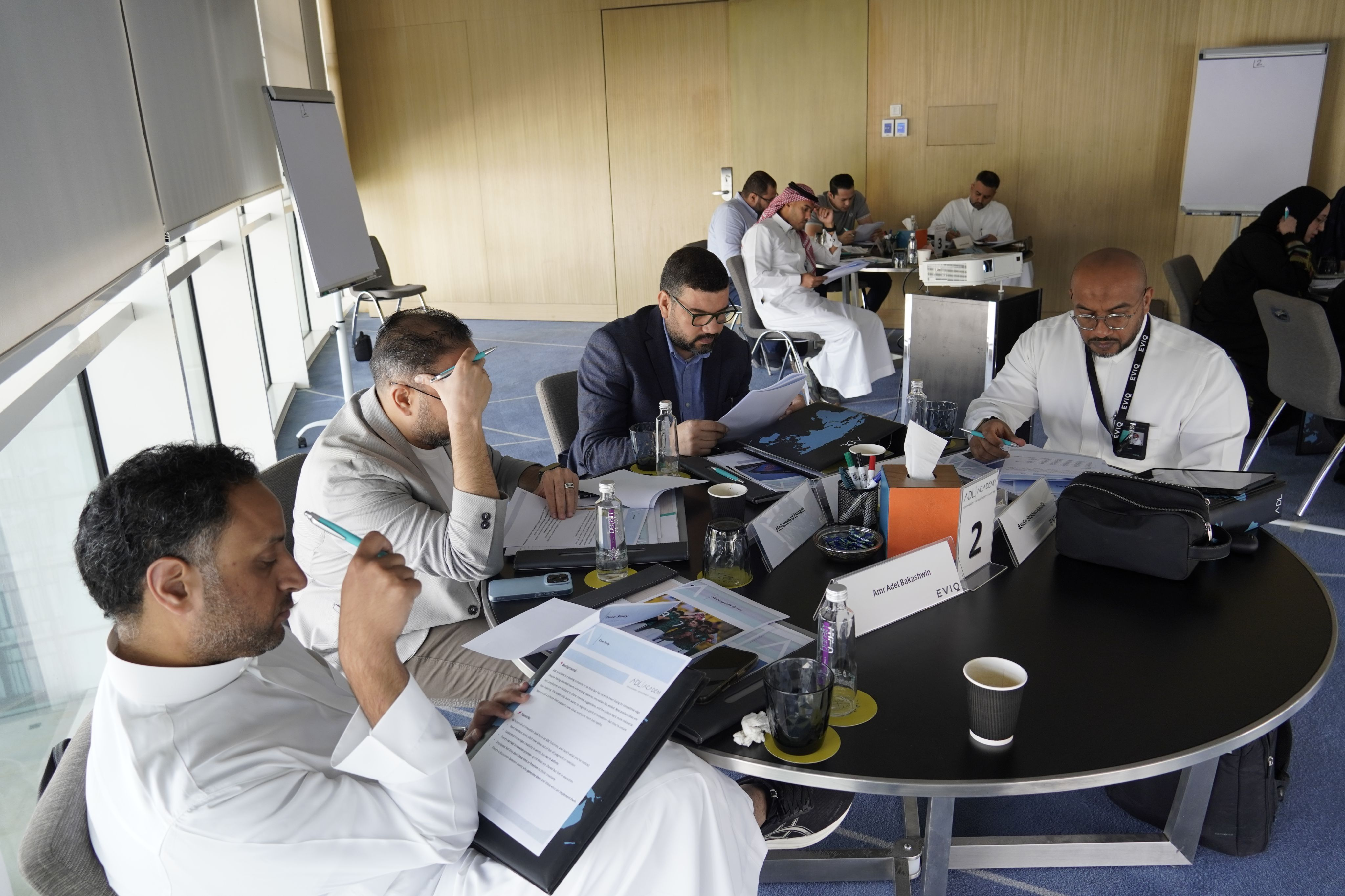
The delivery of HR training plays a crucial role in engagement and knowledge retention. The most effective programs combine multiple learning modalities to meet the diverse needs of HR professionals:
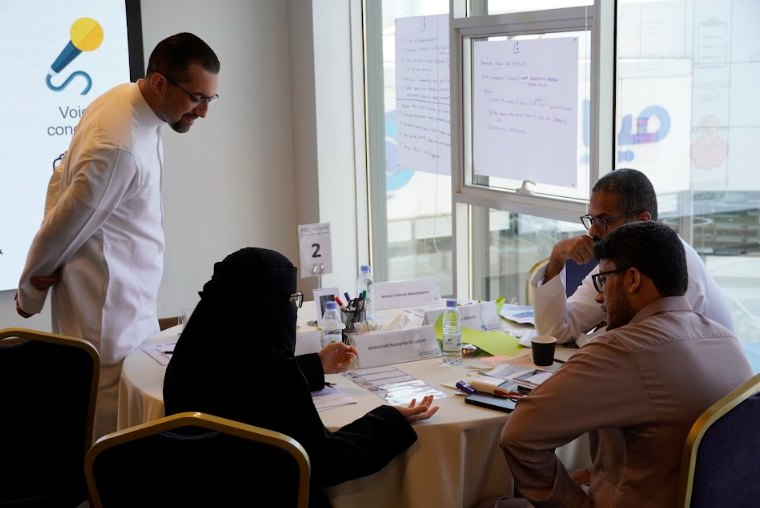
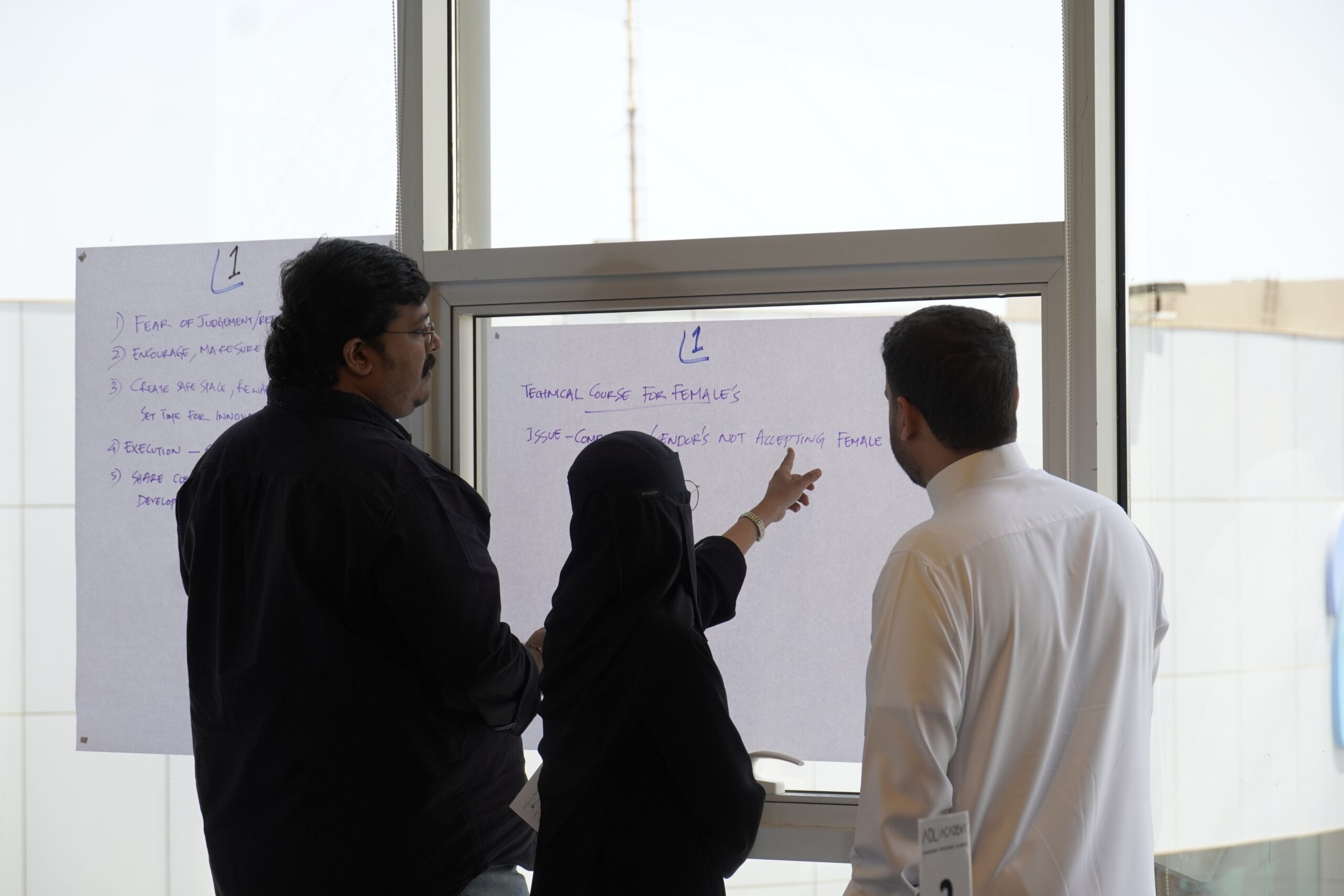
- Instructor-Led Workshops: Interactive, face-to-face sessions that facilitate discussion, scenario-based exercises, and hands-on practice.
- Blended Corporate Training Models: Integrating live instruction with online resources and practical workplace application to reinforce learning.
Structured HR management training courses that combine these approaches create a comprehensive learning ecosystem, ensuring knowledge is retained, applied in real-world settings, and translated into measurable improvements in HR capability and organizational performance.
Measuring the Impact of HR Training
Measuring the impact of HR training ensures that programs deliver tangible results, drive organizational performance, and support continuous improvement.
Key Metrics for Evaluating HR Training Success
Evaluate training through:
- Employee productivity
- Retention rates
- Engagement scores
- Leadership readiness
Measuring Return on Investment (ROI)
Organizations track ROI by evaluating improvements in performance, reductions in turnover, and enhanced operational efficiency. Using data-driven assessments ensures that HR management training courses deliver tangible, sustainable business value. For organizations aiming to strengthen leadership capability and workforce performance, structured development programs available through corporate training in Saudi Arabia offer practical, results-focused solutions.
Future Trends in Human Resource Management Training
By 2026–2030, HR management training is shifting toward AI-driven personalization, data analytics, and “power skills” such as emotional intelligence, resilience, and strategic thinking. Programs increasingly incorporate microlearning, immersive virtual and augmented reality (VR/AR) experiences, and predictive workforce analytics to enhance decision-making, prevent burnout, and optimize talent management.
HR is also evolving from traditional administrative functions into a strategic leadership role, guiding organizational strategy, shaping company culture, and supporting long-term business transformation. Modern human management course programs and HR certification courses equip professionals with the skills to leverage technology, interpret workforce data, and align HR practices with strategic objectives, contributing to sustainable growth and workforce readiness under Saudi Arabia’s Vision 2030.
Conclusion: Invest in HR for Growth
HR management training courses are essential for modern organizations seeking sustainable growth. They enhance workforce performance, build leadership capability, improve employee engagement, and support long-term organizational success.
Organizations that prioritize HR development gain a competitive advantage and ensure their teams are prepared for future challenges. For a structured approach to strengthening HR capability, explore ADL Academy tailored corporate training solutions or request a customized proposal through the Contact Us page.
FAQs
HR management training equips professionals with leadership, workforce planning, and organizational development skills. It enables HR teams to align people strategy with business goals, improve productivity, and enhance employee engagement.
Accredited programs boost credibility and ensure alignment with global HR standards like CIPD. They provide practical tools HR leaders can use to improve recruitment, performance management, and engagement strategies.
Certification courses strengthen decision-making, strategic HR leadership, and talent management. They help HR teams implement data-driven policies and optimize workforce planning to drive measurable business outcomes.
HR advanced courses develop skills in workforce planning, performance management, employee engagement, leadership, and data-driven HR analytics, enabling professionals to tackle complex workforce challenges.
Structured HR programs improve productivity, build leadership pipelines, enhance retention, and ensure workforce alignment with organizational goals, translating HR learning into tangible business impact.
Effective HR professionals align people strategy with business goals, support organizational transformation, and build sustainable talent pipelines. Participating in a human management course helps HR leaders develop strategic insight and operational expertise, enabling them to drive measurable business outcomes.